Heating, cooling and ventilation equipment, ductwork and filters. I run heating and cooling on the home’s own thermostat. Cooling gets run when it’s warm enough outside to do it safely.
Cooling equipment: fans, through-wall units & condensers
Ductwork
Filters
Tested
Built-in heating
Built-in cooling
Mechanical ventilation
What gets flagged
From real hvac reports
Comments pulled straight from my reports, with addresses removed. Repairs are flagged in red, just like in the report. Written for a buyer, not a lawyer.
RepairFurnace & Water Heater Flue
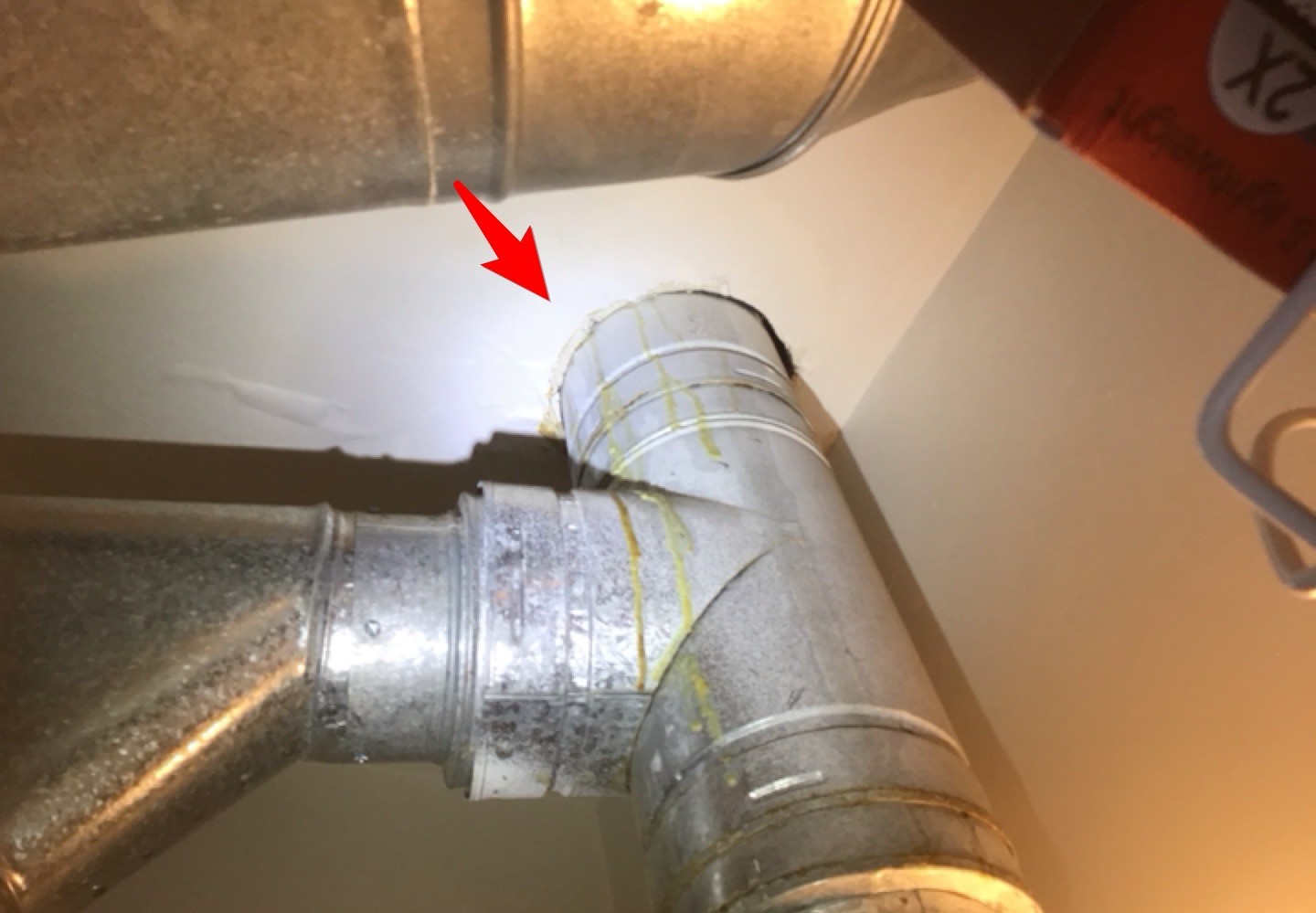
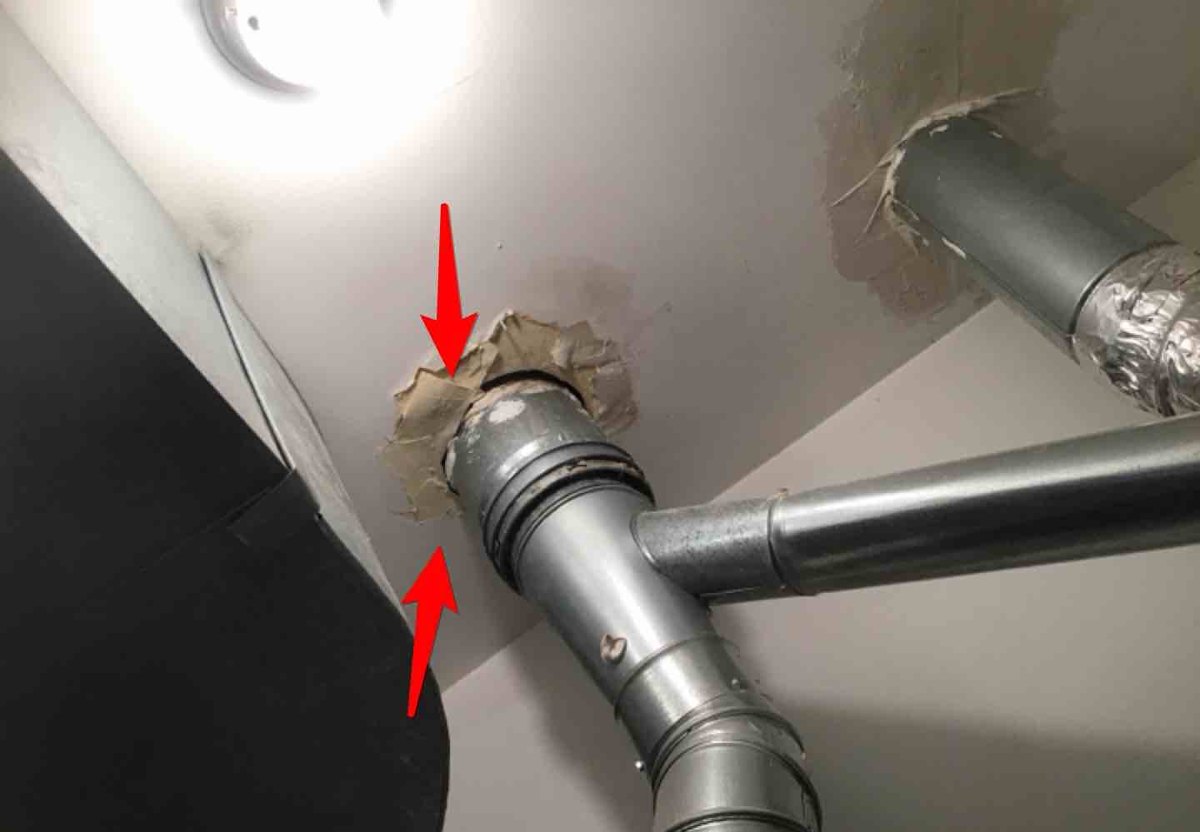
Furnace and water heater vent touching drywall
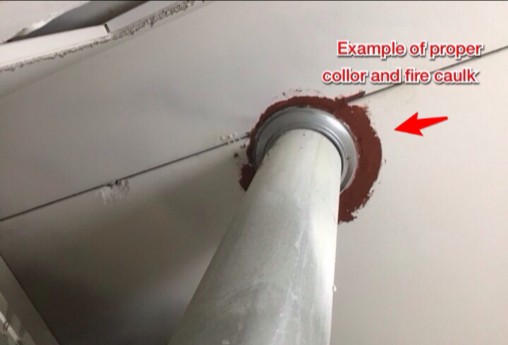
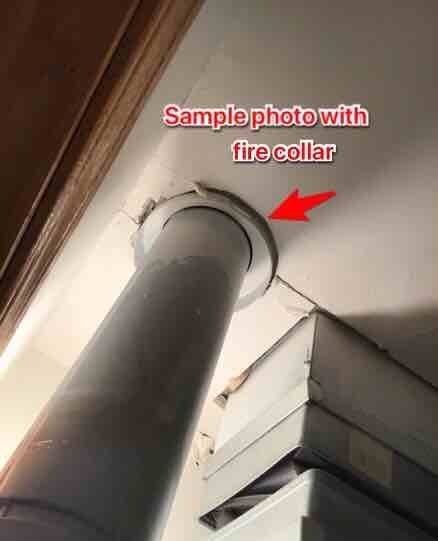
The flue for the furnace & water heater was in direct contact with the drywall where it penetrates the mechanical closet wall. Safe building standards require the B-vent flue to have a minimum of 1" separation around the flue and combustible materials. Recommend repair via qualified contractor for added safety (the drywall/combustible materials should be trimmed back to create the 1" clearance, a fire collar should then be installed to cover the gap as shown in the sample photo).
UpgradeAC Condenser
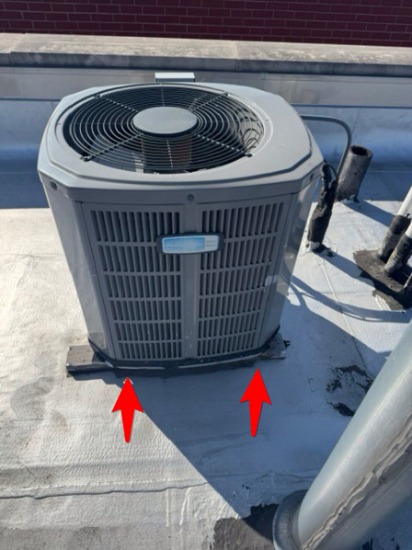
AC unit sitting right on the roof membrane
The AC condenser base was sitting directly on top of the roofing material (typically there should be a sacrificial piece of roofing material installed under the condenser bases to limit potential damage to the roofing material from the vibration of the condenser). Recommend further evaluation via qualified roofing contractor for installation options. Also springs can be added under the AC condensers to limit potential vibration noise from the condensers to the living space below. Recommend installation as needed via qualified HVAC contractor.
RepairForced-air Furnace
Furnace vent touching drywall (fire risk)
The flue for the furnace was in direct contact with the drywall which is a potential fire hazard. Current generally accepted safe building standards require the flue be a B-vent with a minimum of 1" air gap around the flue with a proper fire collar installed (as shown in the sample photo). Recommend repair via qualified HVAC contractor for safety.
RepairThermal Temperatures
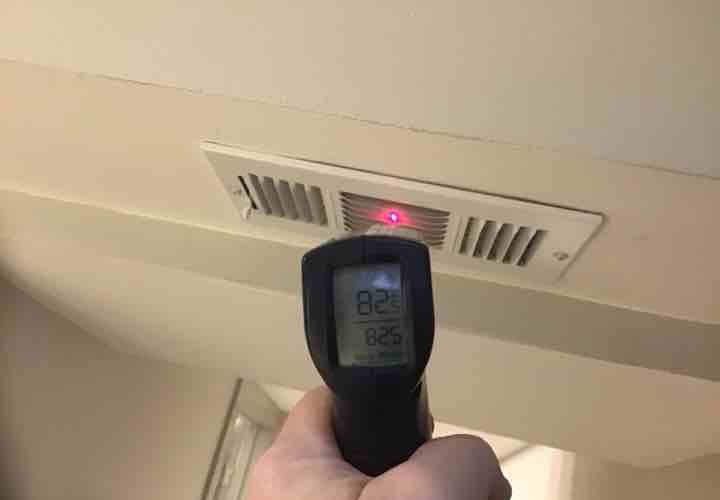
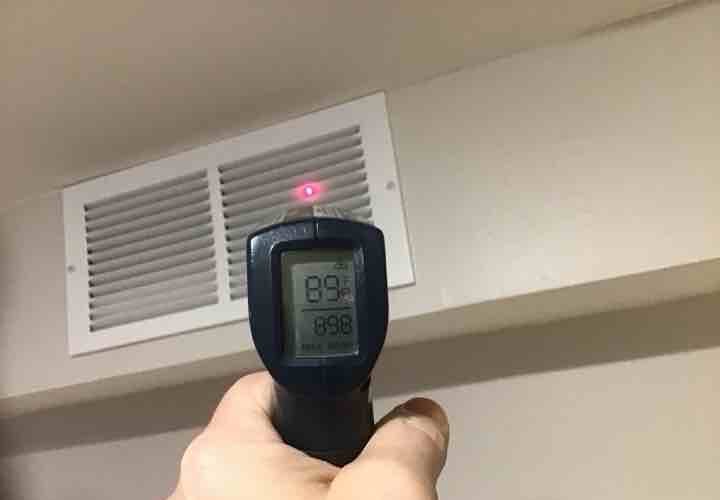
Basement runs 20 degrees colder on heat
The temperatures at the HVAC registers in the basement level were approximately 20 degrees lower than the HVAC registers on the 1st floor in the heating mode. Recommend further evaluation via qualified HVAC contractor for repair/rebalancing options for comfort.
RepairForced-air Furnace
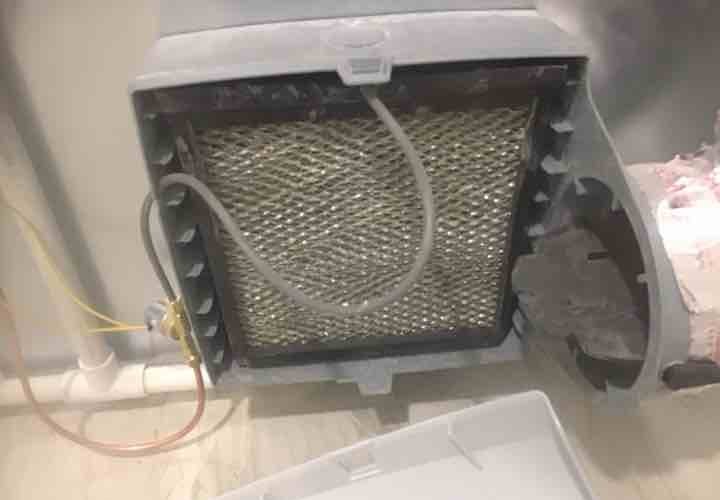
Humidifier scaled up, needs service
The humidifier had scale build-up indicative of lack of maintenance. Recommend servicing of the humidifier and replacement of the pad via qualified HVAC contractor to verify the system is functioning properly and to extend its useful life. The humidifier should be serviced/cleaned annually and the pad replaced 1-2 times per heating season.
RepairHVAC System
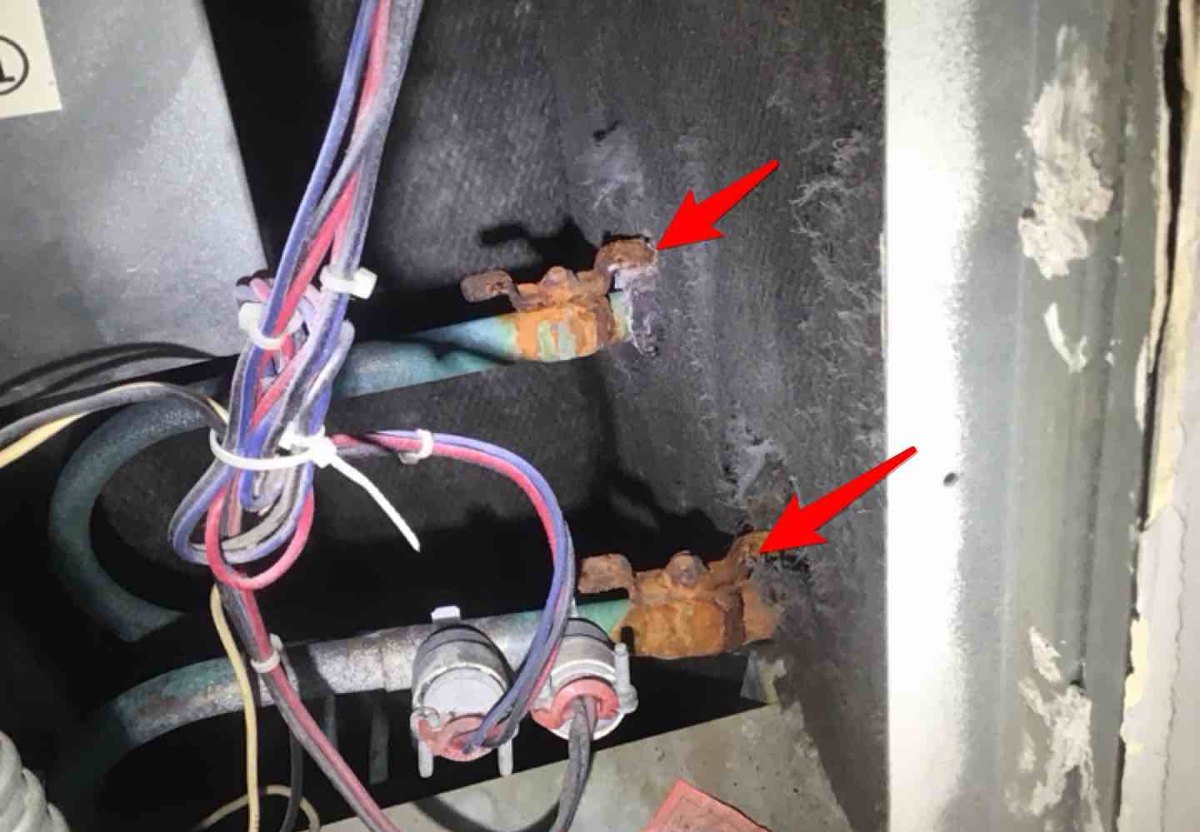
Rusting shut-off valves inside the HVAC units
The water supply line shut-off knobs inside the HVAC units exhibited moderate to severe rusting/corrosion (no signs of leaking at time of the inspection). Recommend repair via qualified plumbing contractor to limit potential future leaks and damages.
RepairDucting
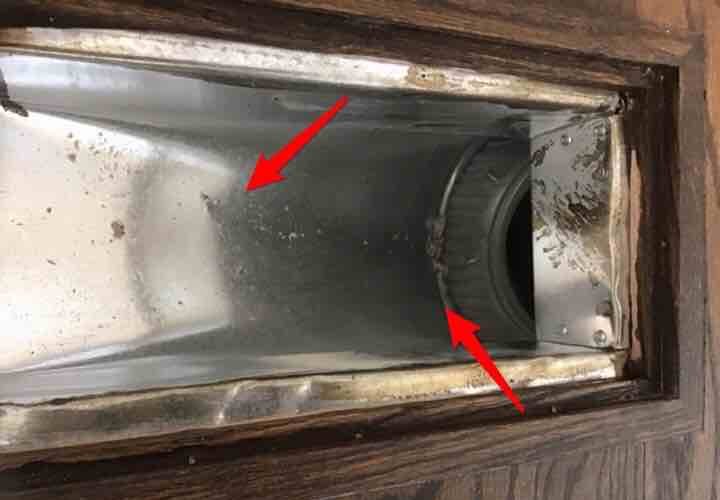
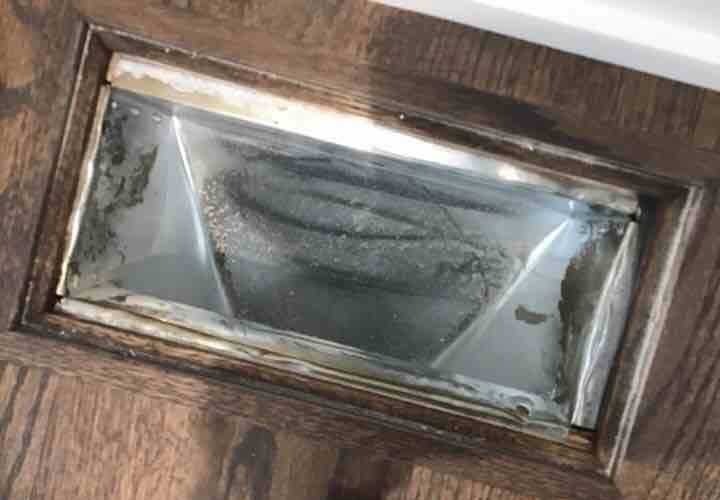
New build: ducts need cleaning
Since this is a new build, it is recommended to have the HVAC ducts cleaned via qualified sweep contractor once all construction work has been completed. Should be cleaned as needed to limit dirt/allergen build-up that occurs over time (normal maintenance).
RepairFilter
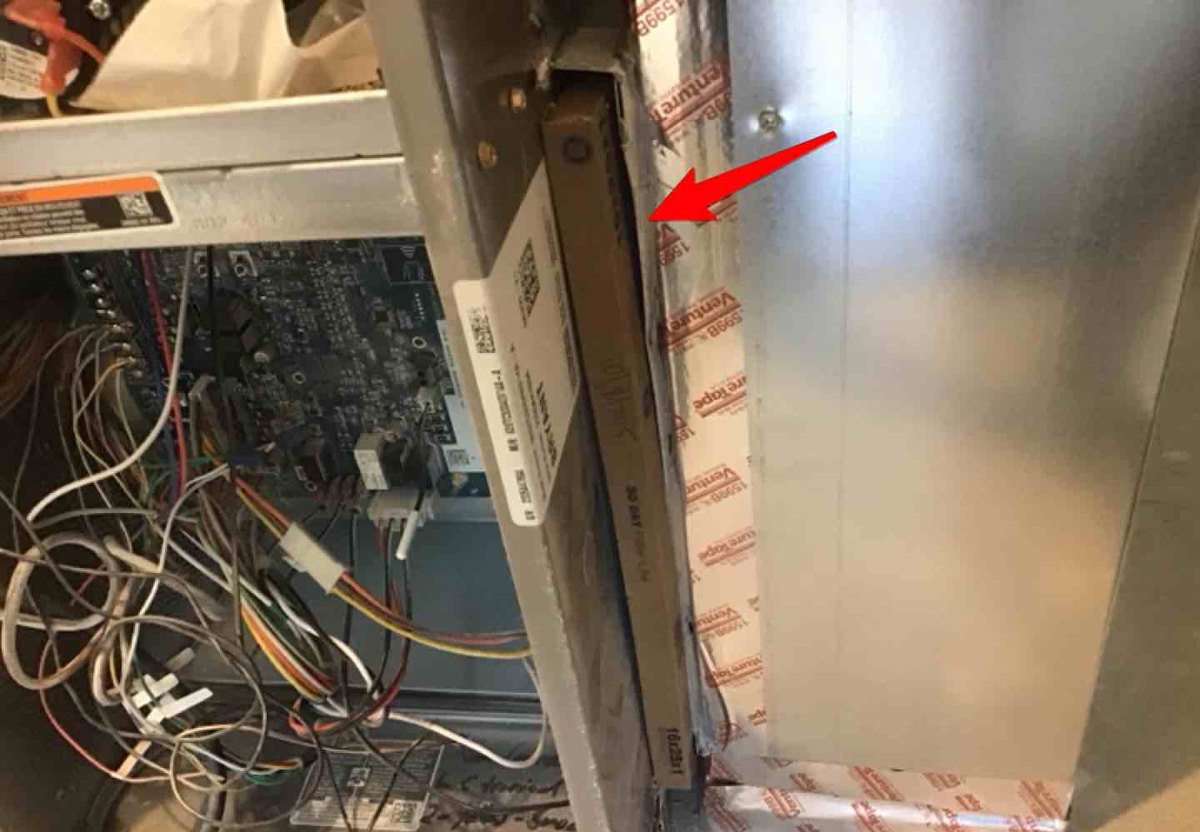
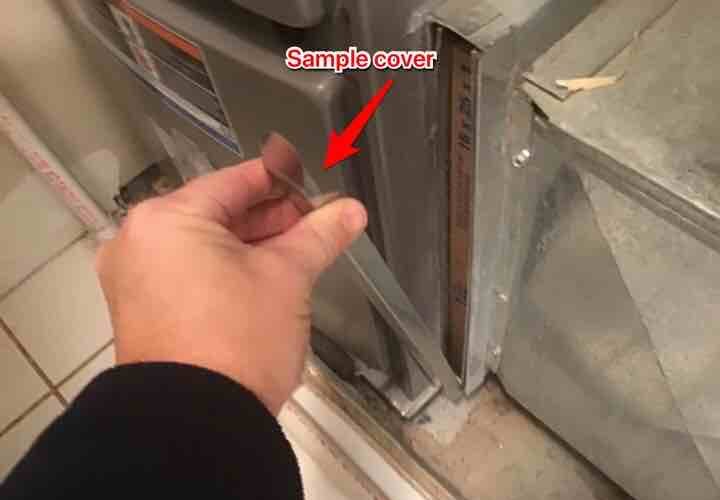
Furnace filter slot left open
The furnace air filter slot was not properly sealed (was missing a cover to seal the slot). Recommend a proper cover be installed via qualified HVAC contractor for better air quality and added efficiency.
RepairFilter
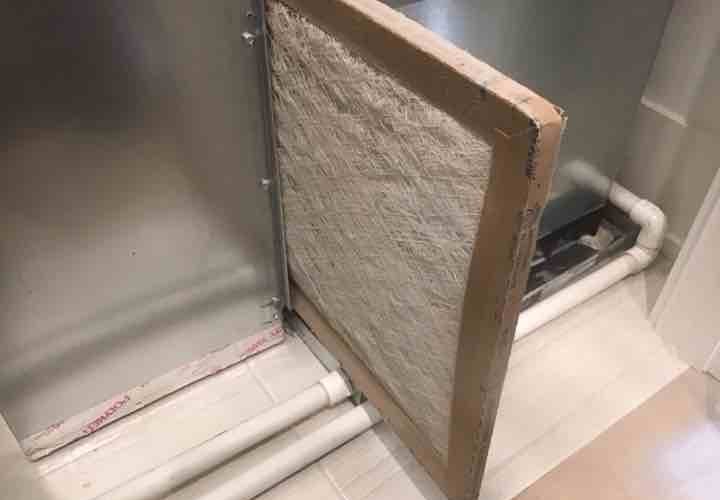
Clogged furnace filter
The 16x25x1 HVAC air filter was dirty/clogged and should be changed. Filters should be checked every three months and replaced as necessary to limit stress on the HVAC system.
RepairHVAC System
Noisy blower fan
The blower fan for the HVAC unit in the living room was making a labored/clicking noise while running. Recommend further evaluation via qualified HVAC contractor to determine repairs or replacements needed.
RepairAC Electrical Disconnect
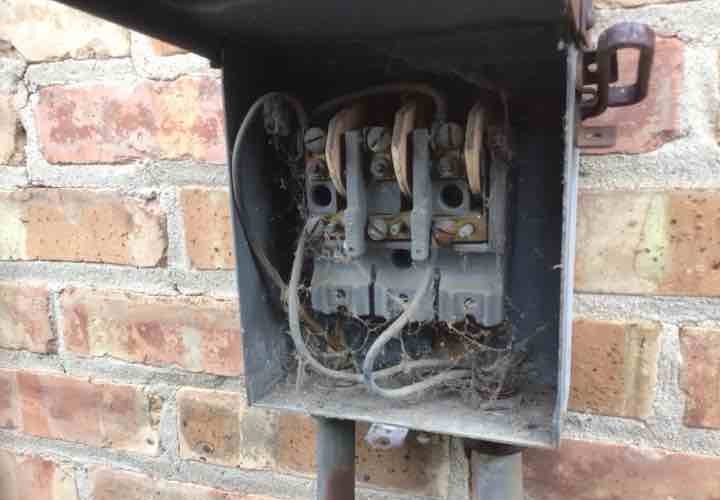
Exposed wiring at the AC disconnect
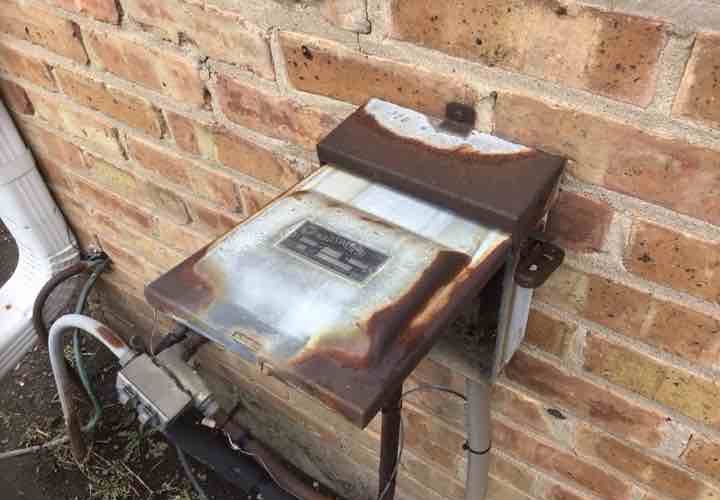
The electrical wiring connections inside the electrical disconnect next to the AC condenser were exposed (potential safety hazard), also the electrical junction box was corroded from age. Recommend repair via qualified electrical contractor for safety.
RepairDucting
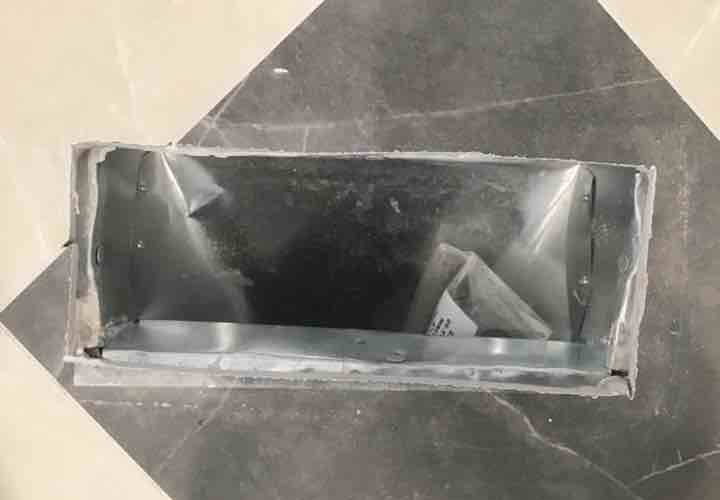
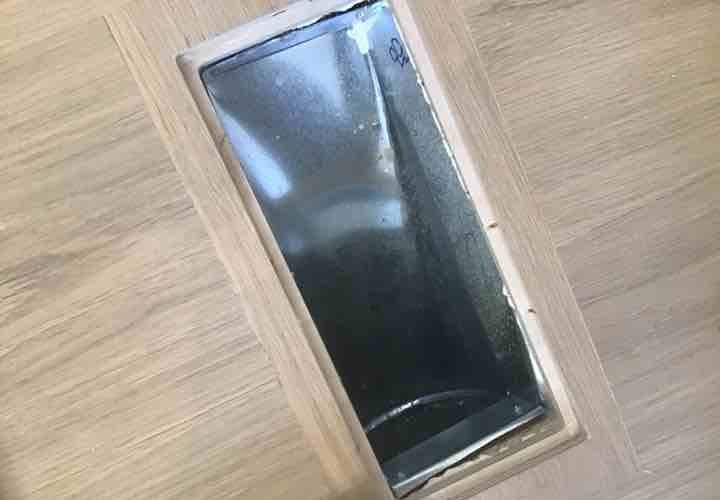
Construction debris in the floor vents
There was construction debris in the floor HVAC vents on the 2nd floor. Recommend to have the HVAC ducts cleaned via qualified sweep contractor.