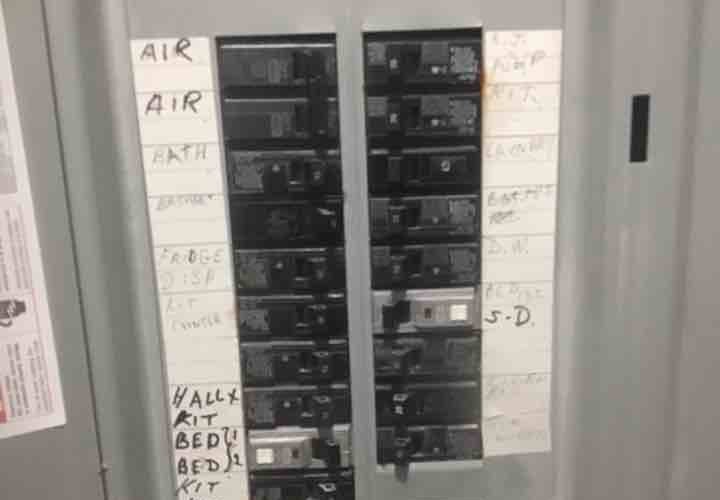
From the service line coming in to a representative sample of devices.
Examined means I looked at it closely, and the report notes anything I couldn’t reach. Tested means I ran it, using the home’s own controls.
Examined
Service line: incoming conductors, cables & raceways
Service equipment & main disconnects
Grounding
Main panels & sub-panels (inside & out)
Breakers & fuses
Wiring
Smoke & carbon-monoxide detectors: presence or absence reported, as Illinois law requires (not operated)
Tested
A sampling of lights, switches, outlets & ceiling fans
GFCI outlets
What gets flagged
From real electrical reports
Comments pulled straight from my reports, with addresses removed. Repairs are flagged in red, just like in the report. Written for a buyer, not a lawyer.
RepairCircuit Breakers
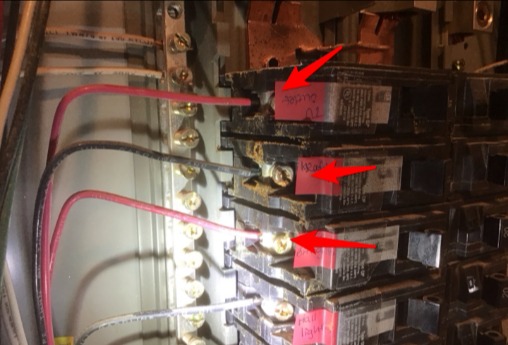
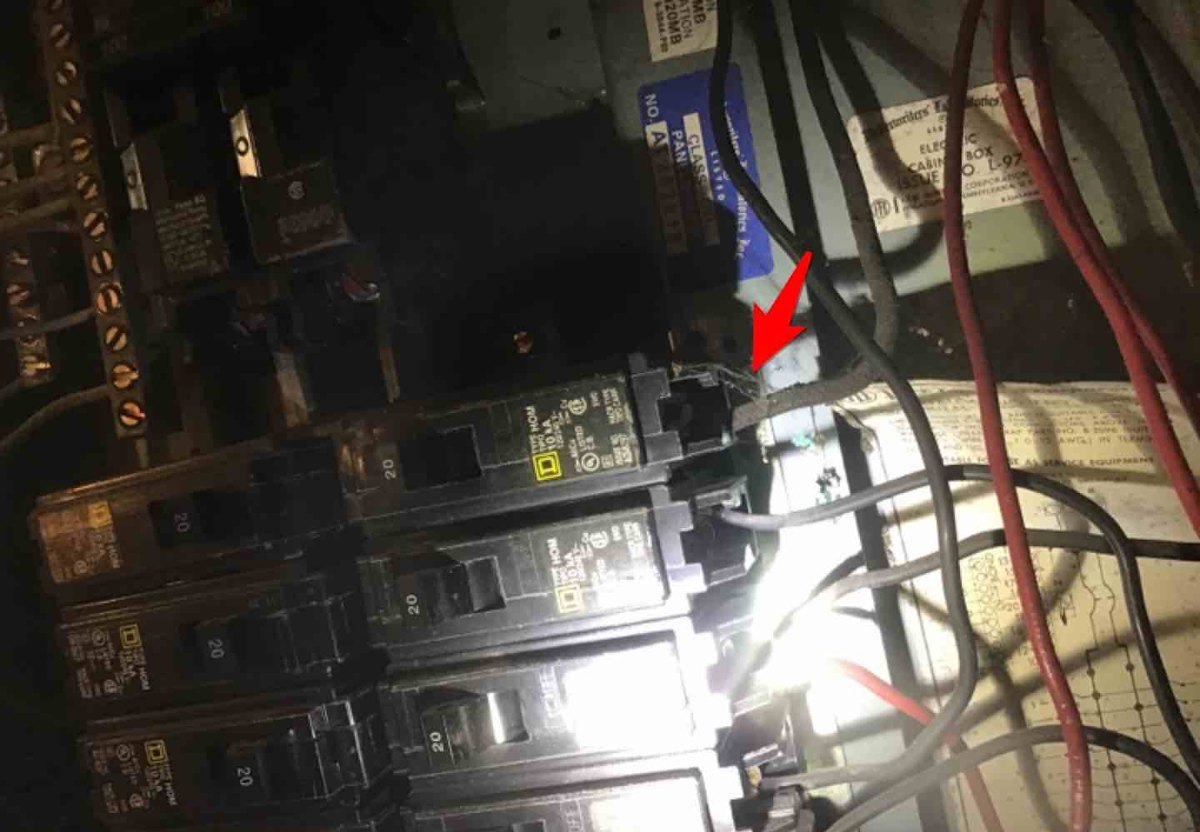
Two wires on one breaker
A breaker in the electrical panel had a "double tap" (2 wires in 1 breaker, breakers are typically designed for only 1 wire which can be a potential fire hazard). Recommend further evaluation via qualified electrical contractor to determine if repairs are needed for safety.
RepairPanel Interior
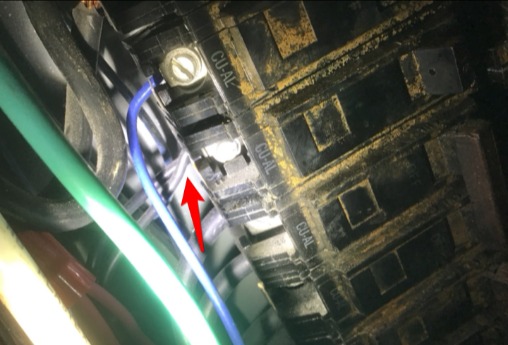
Corrosion inside the electrical panel
The interior of the electrical service panel exhibited corrosion (a few of the breakers on the left side had corrosion, appears to have been caused by moisture intrusion from the AC electrical connection from the roof). Recommend further evaluation via qualified electrical contractor to determine if any necessary repairs or replacements are needed for safety.
RepairCircuit Breakers
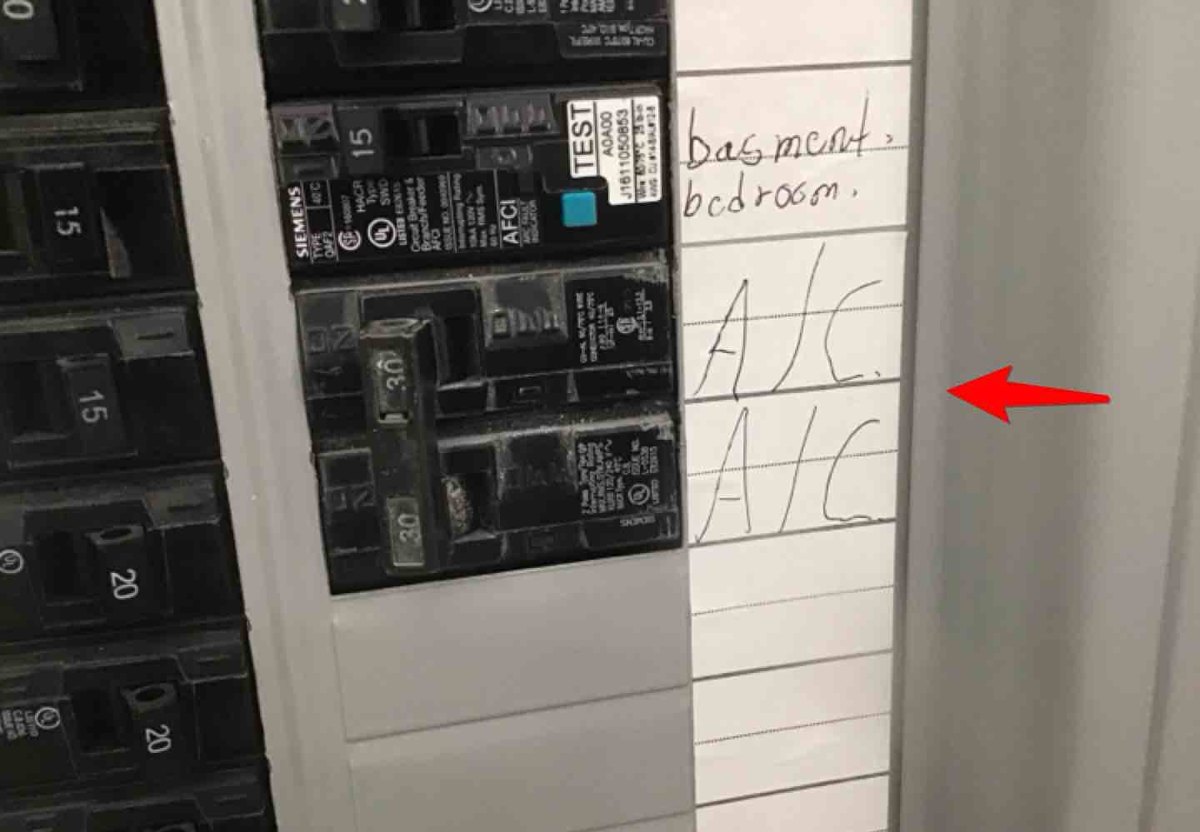
AC breaker larger than the unit allows
The electrical circuit breaker for the AC condenser in the electrical panel was 30 amps, but the AC condenser data tag says a maximum 25 amps breaker was allowed. Recommend further evaluation via qualified electrical contractor to determine if replacement is needed for safety.
RepairCircuit Breakers
Mixed breaker brands in the panel
There were different brands of circuit breakers in the electrical panel. Panel manufacturers typically require that their own breakers be used in their panels (breakers from one manufacturer used in the panel of another manufacturer may result in poor connections which can create a potential fire or shock/electrocution hazard). Recommend further evaluation via qualified electrical contractor to determine if replacements are needed for safety (note some breakers are UL approved to be used in different panels, advise electrical contractor verify breakers are suitable for safety).
RepairElectrical Outlets
Loose outlets that move when plugged into
There were numerous electrical outlets throughout the property that were not properly secured (outlets moved when functionally tested with an outlet tester, potential arcing hazard). Recommend outlets be properly secured via qualified electrical contractor for safety.
RepairService Grounding
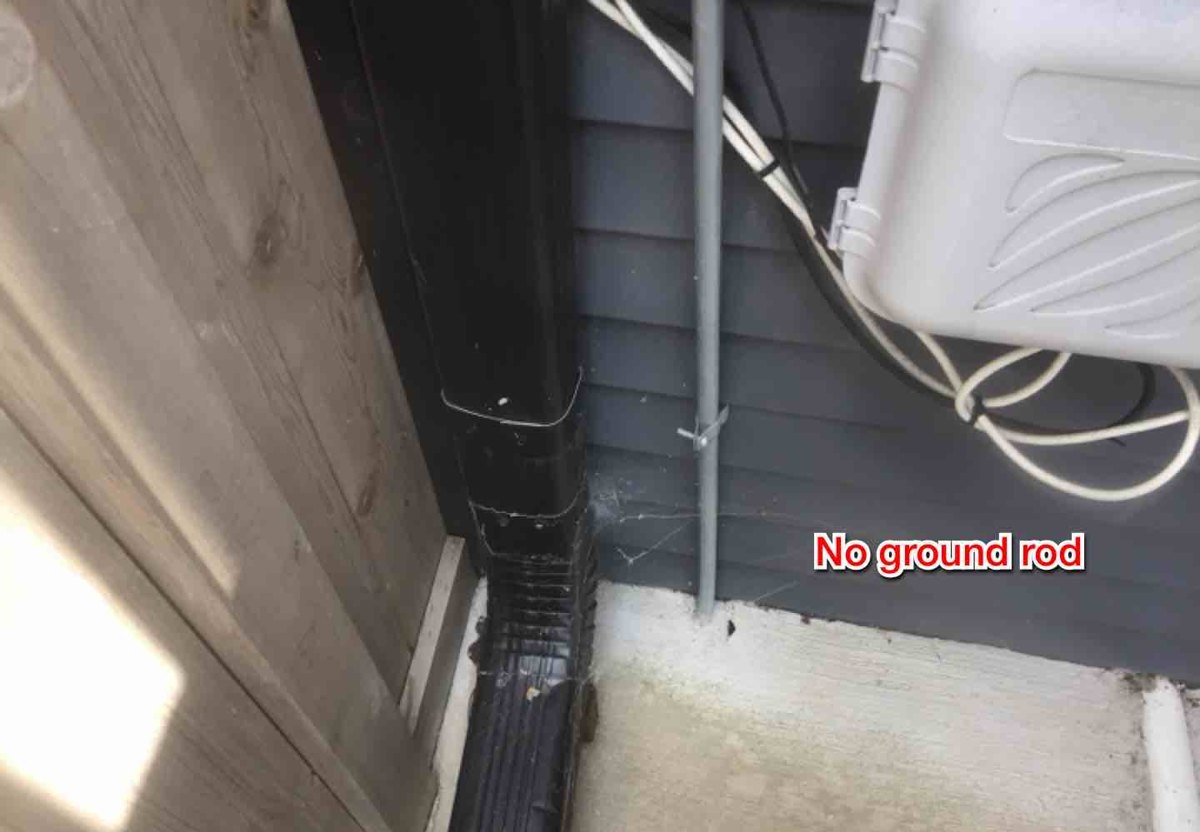
No grounding found for the electrical system
Was unable to locate or verify a proper plumbing ground nor a proper grounding rod for the electrical system. Current generally accepted safe building standards require 2 methods of grounding for safety (City of Chicago requires they be marked with a ground tag). Recommend further evaluation of the electrical system via qualified electrical contractor to verify proper grounding and bonding of the electrical system/panel for safety.
RepairService Grounding
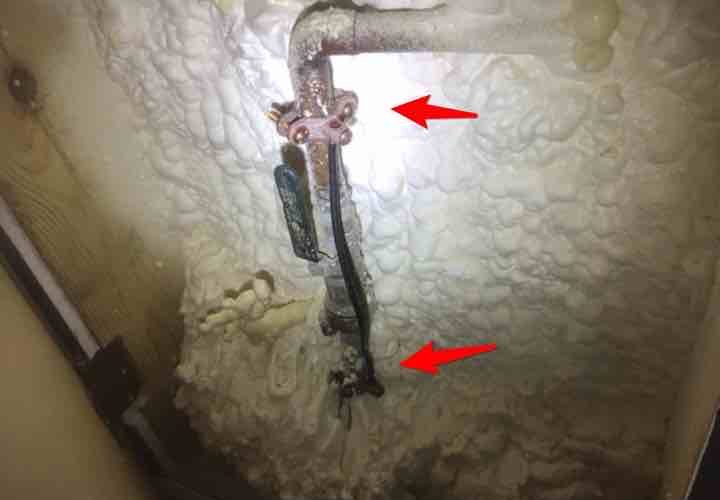
Grounding not verified, ground tag missing
Was unable to verify proper grounding of the electrical system. There was a jumper cable on the water main for a plumbing ground, but it was missing a ground tag, also was unable to locate or verify a grounding rod. The electrical system should have 2 methods of grounding for safety and Chicago requires they be marked with a ground tag. Recommend further evaluation via qualified electrical contractor to determine if repairs are needed for safety.
RepairDead Front Cover Condition
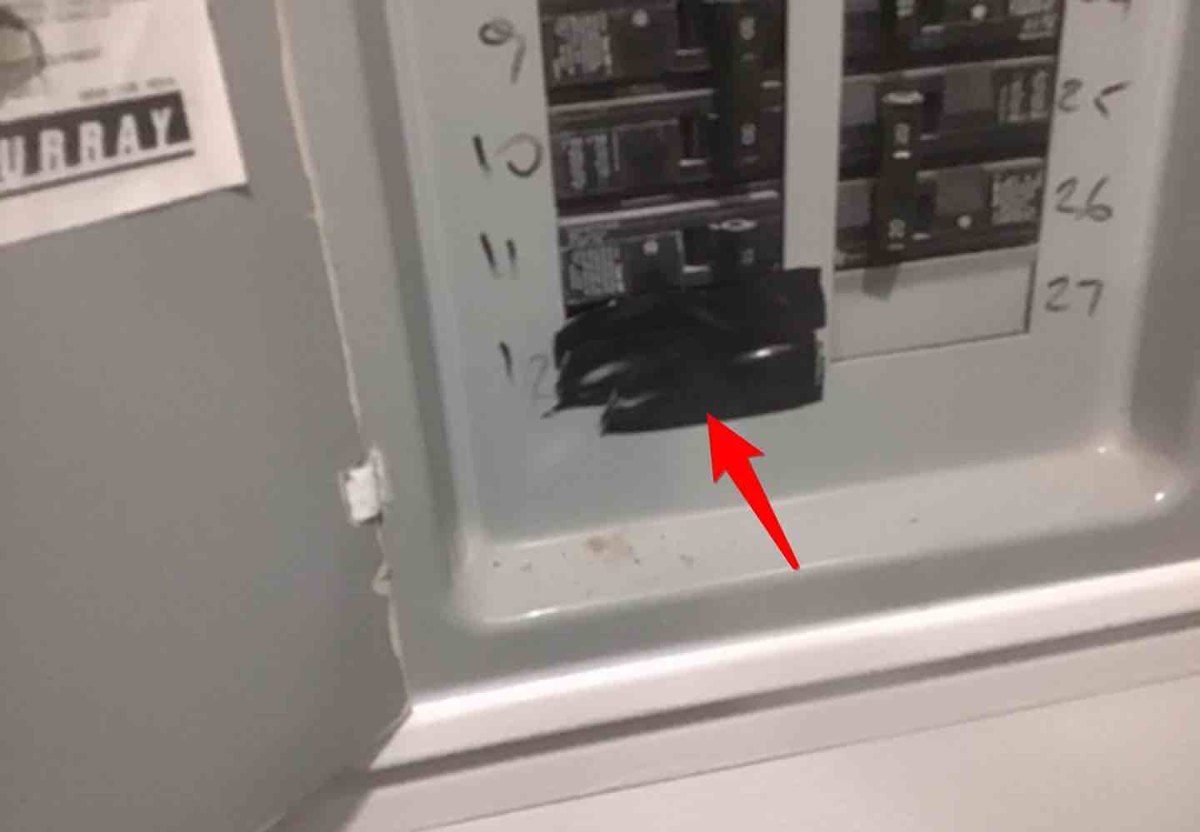
Open hole in the panel cover (shock risk)
There was an open breaker knock-out on the electrical panel cover that may allow a person to come into contact with energized electrical components (this condition is a potential shock/electrocution hazard). Recommend repair via qualified electrical contractor for safety (proper knock-out plate should be installed).
RepairOverhead Service Drop
Power lines too close to the rear deck
The overhead electrical service-drop conductors had inadequate clearance from the rear deck. Current safe building standards require at least 3 feet clearance from decks and balconies (you should not be able to reach out and touch). Recommend further evaluation via qualified contractor for repair options for safety (such as installation of a screen/lattice to create a physical barrier).
RepairMain Panel General Condition
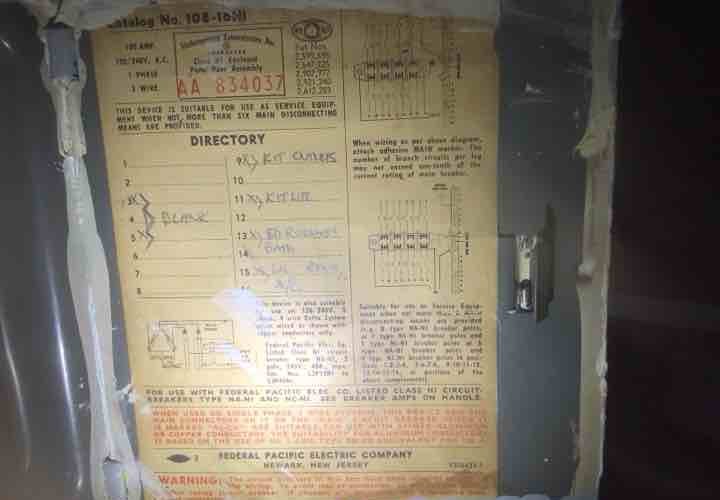
Federal Pacific Stab-Lok panel, known for breaker failures
The electrical panel was made by Federal Pacific and was the Stab-lok model. Federal Pacific Stab-lok panels are recognized to have a high rate of circuit breaker failure which can result in a fire or shock/electrocution hazard. Recommend further evaluation via qualified electrical contractor to determine if repairs or replacement of the panel/breakers are needed for safety. Also current generally accepted safe building standards and the NEC advise to replace breakers over 30 years old to limit potential failure issues (old breakers may not properly trip when over-loaded, potential fire hazard).
RepairMain Panel Wiring
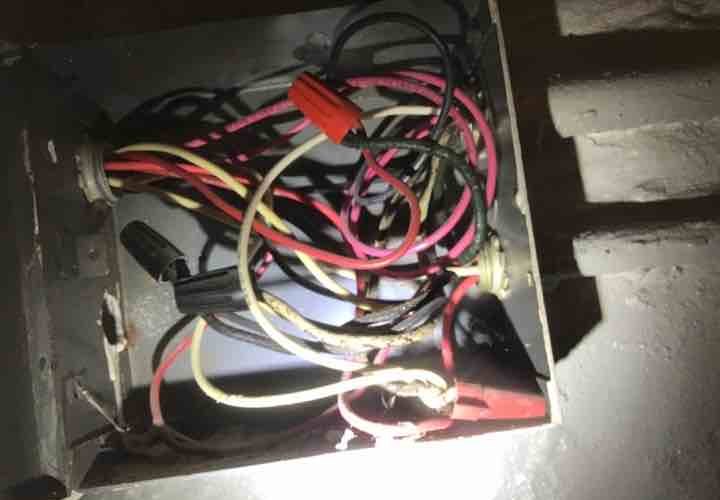
Old cloth-insulated wiring in the panel
There were multiple breakers inside the electrical panel wired with cloth insulated wiring (cloth insulation can deteriorate over time and become a potential fire hazard). Recommend to have the cloth insulated wiring further evaluated via qualified electrical contractor to determine if repairs/replacements are needed for safety.
RepairOverhead Service Drop
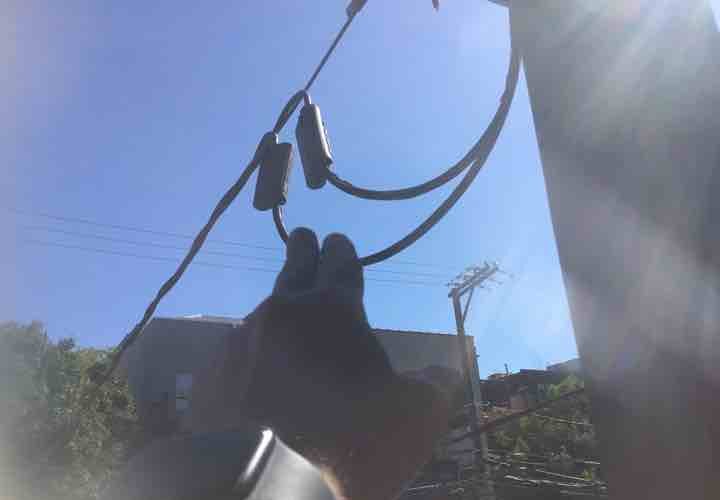
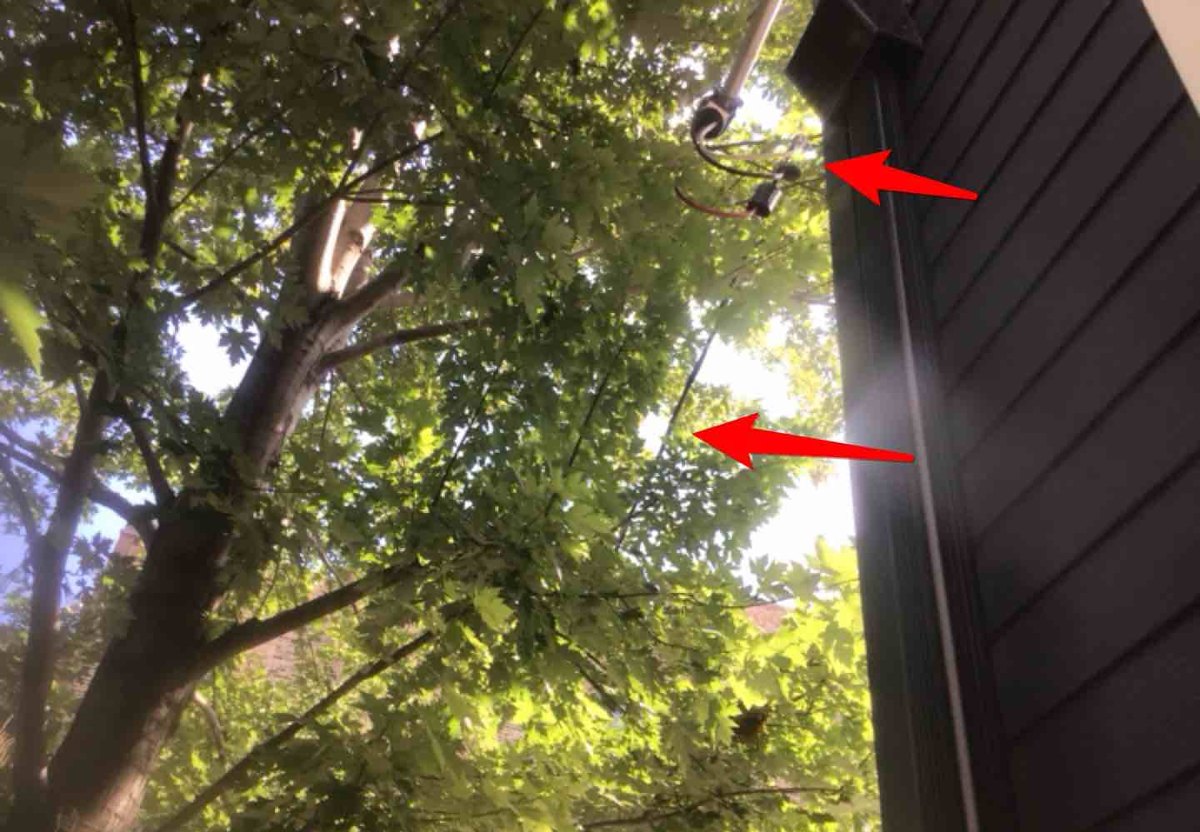
Power lines rubbing on tree branches
The overhead electrical service drop conductors to the property had inadequate clearance from tree branches in the backyard. Recommend repair via qualified electrical contractor to avoid abrasion and damage to the conductors.