Insulation and vapor barriers in unfinished spaces, plus attic, foundation and room ventilation. I run the bath, kitchen and laundry exhausts to confirm they actually move air.
Insulation and the ventilation that keeps the home dry and healthy.
Examined means I looked at it closely, and the report notes anything I couldn’t reach. Tested means I ran it, using the home’s own controls.
Examined
Insulation & vapor barriers in unfinished spaces (attics, crawlspaces)
Attic & foundation ventilation
Kitchen, bath & laundry ventilation
Tested
Kitchen, bath & laundry exhaust fans
What gets flagged
From real insulation reports
Comments pulled straight from my reports, with addresses removed. Repairs are flagged in red, just like in the report. Written for a buyer, not a lawyer.
RepairExhaust Duct
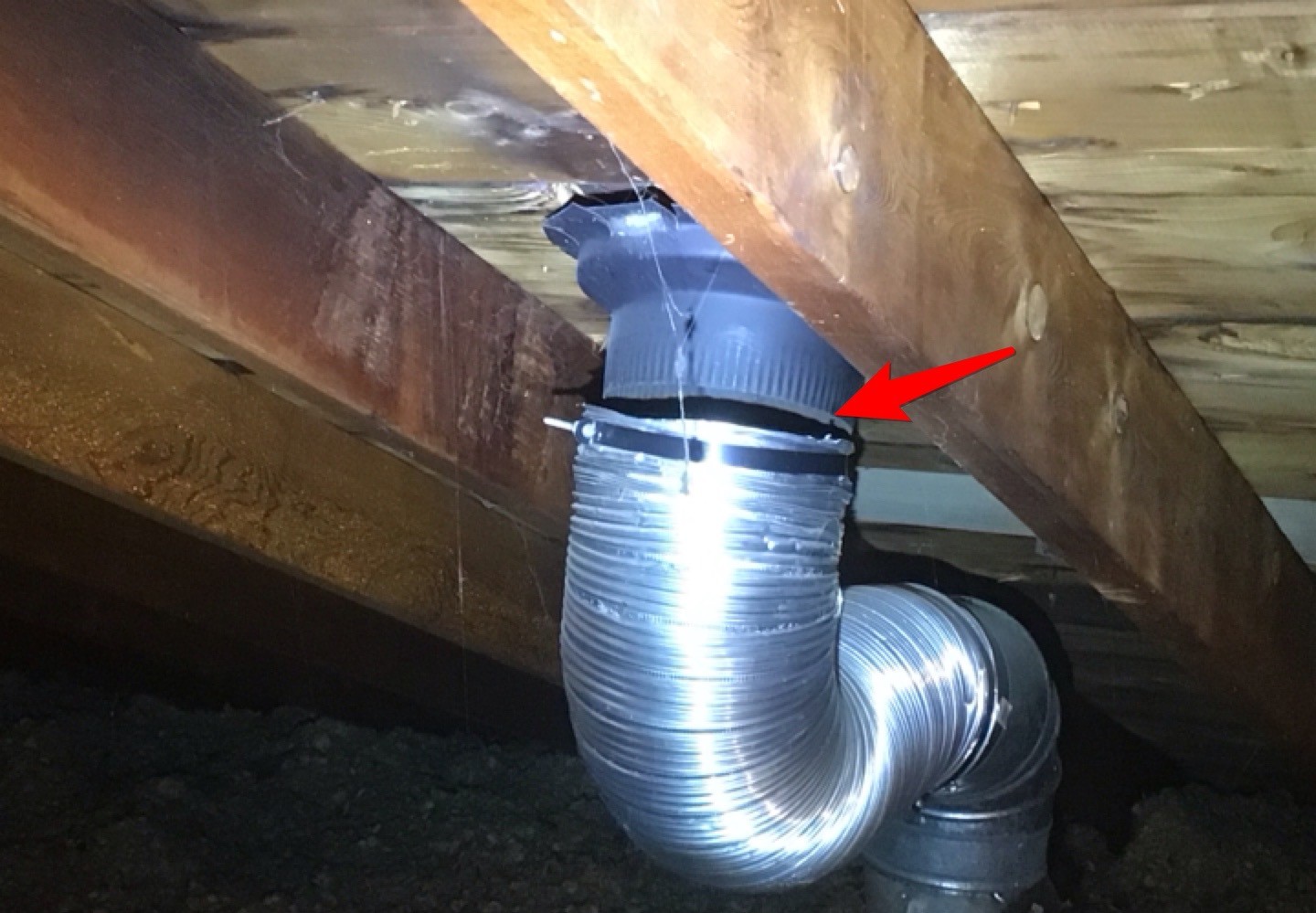
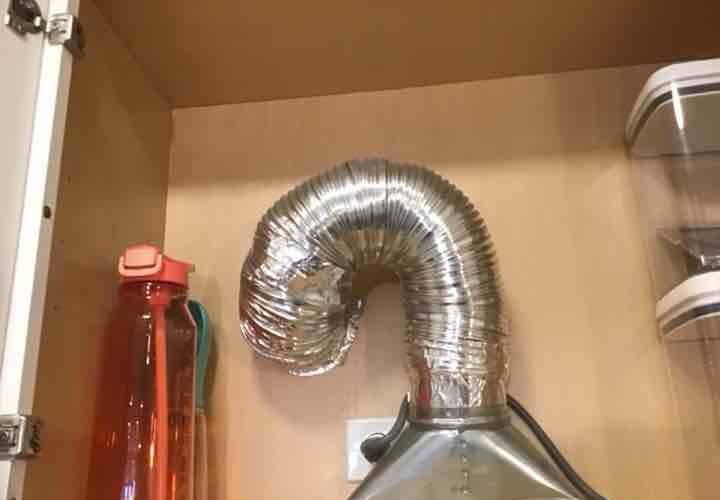
Microwave exhaust duct loose in the attic
The exhaust duct for the 1st floor kitchen microwave under-mount exhaust fan was disconnected in the attic which can cause excessive humidity levels in the attic. Recommend repair via qualified contractor (needs to be reconnected).
UpgradeAttic Insulation
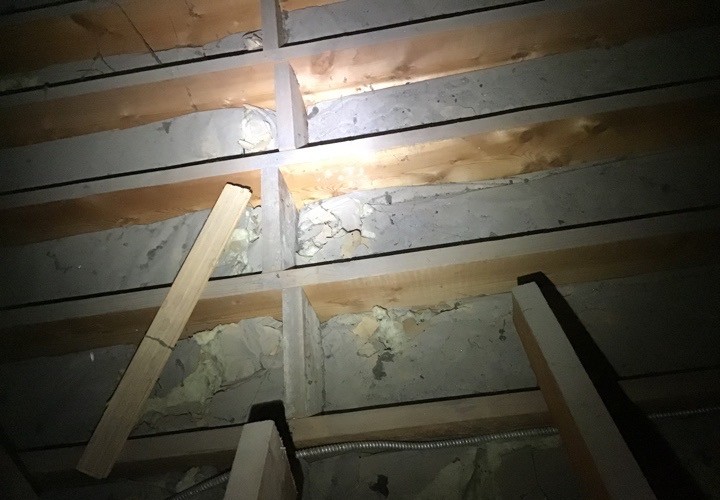
Thin attic insulation: about R-18 where R-49 is recommended
Loose-fill fiberglass insulation thickness in the attic was approximately 6 inches for an approximate R value of 18. Current generally accepted building standards recommend an insulation value of R 49. Recommend installation of more insulation via qualified contractor for comfort and energy savings. Note insulation should not be placed over or in contact with recessed light fixtures in the attic unless they are insulation contact rated (IC) for fire safety (not verified).
UpgradeCrawlspace Insulation
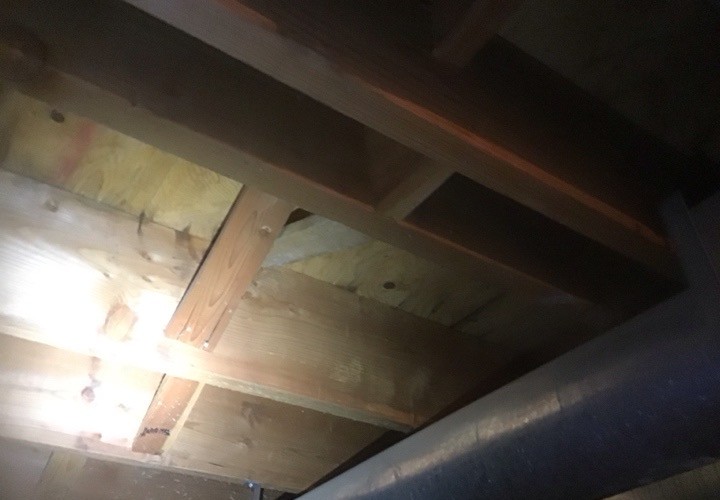
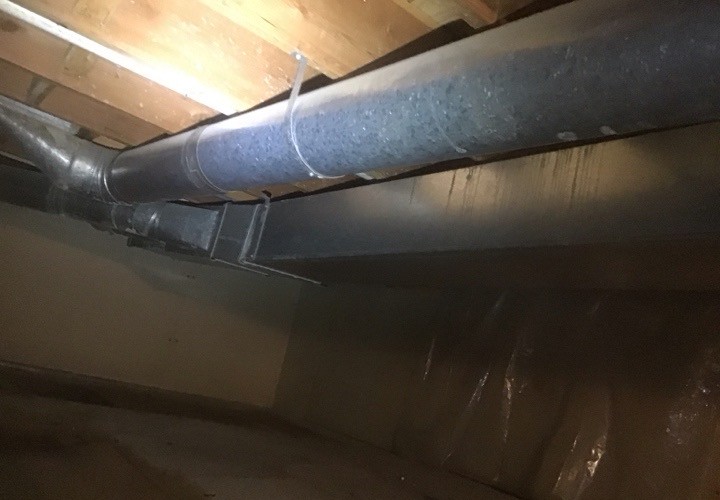
No insulation under the crawlspace floor
There was no insulation installed in between the floor joists in the crawlspace, also the HVAC ducts were not insulated. Recommend installation of insulation via qualified contractor to improve energy efficiency and comfort for the living space above the crawlspaces.
RepairRoom Ventilation
Laundry closet with no ventilation
The laundry closet did not have ventilation. Ventilation is needed to allow proper combustion air for the gas dryer, also lack of ventilation may result in excessively high humidity levels in the laundry area which can encourage the growth of microbes such as mold. Recommend repair via qualified contractor (a vent can be added to the laundry closet wall or door, a louvre door can be installed, or the closet door can be left open while running the washer/dryer).
RepairVentilation
Furnace closet with no air supply
The mechanical closet did not have ventilation to allow proper combustion air for the gas burning mechanicals. Recommend repair via qualified contractor for safety (a vent can be added to the top & bottom of the furnace closet wall/door or a louvre door be installed to allow proper combustion air).
RepairDryer Venting
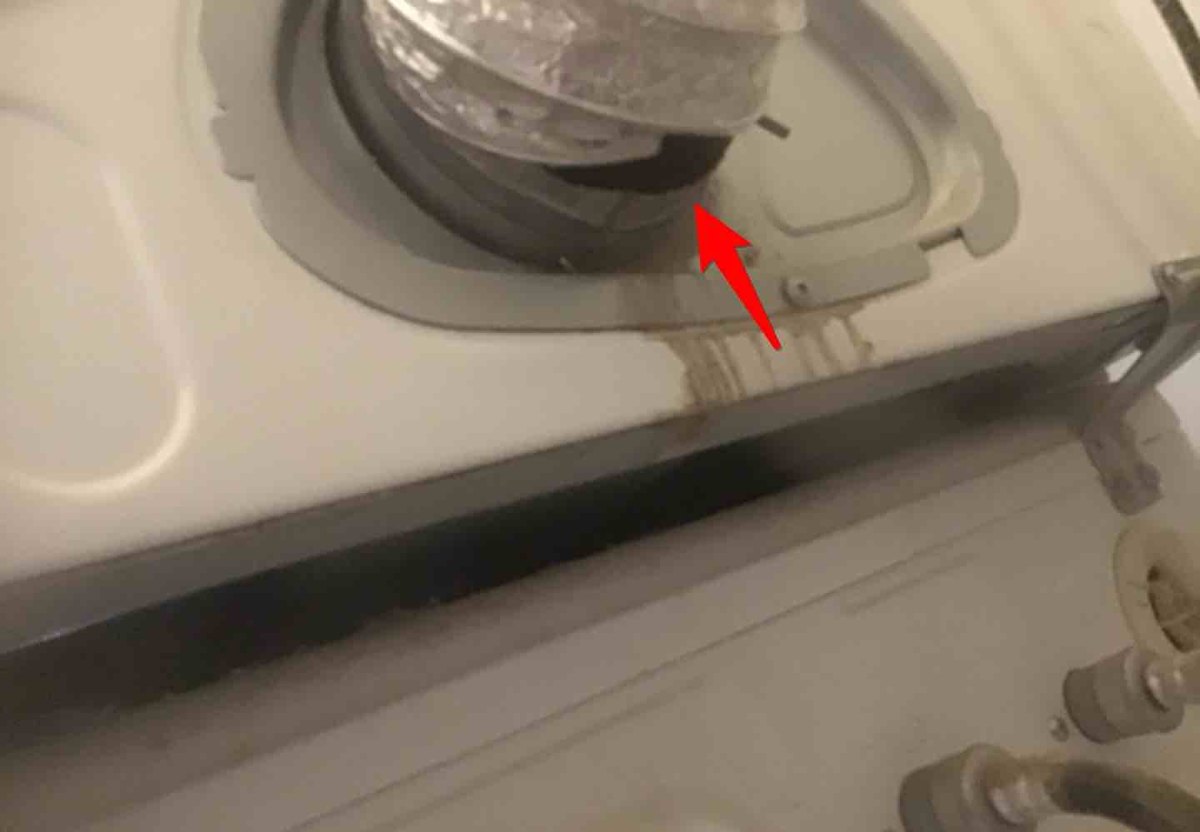
Dryer duct disconnected behind the dryer
The dryer vent duct behind the dryer had become disconnected (this is a potential safety hazard). Recommend repair via qualified contractor for safety (a proper UL-approved, smooth metal dryer duct sealed with proper listed foil tape should be used for added safety). It is also advised to clean the dryer duct at regular intervals to limit lint build-up as normal maintenance for fire safety.
RepairVentilation
Flexible range hood duct (grease fire risk)
The exhaust duct installed on the vent hood was a 4" flexible duct (flexible ducts are more likely to accumulate grease than a smooth metal ducting which can be a potential fire hazard). Recommend replacing the flexi duct with a UL-approved, smooth metal exhaust duct sealed with proper listed foil tape via qualified contractor for added safety.
RepairInsulation
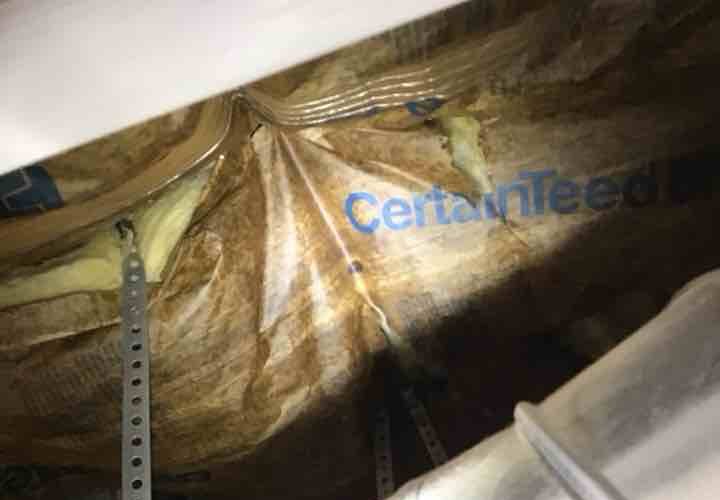
Flammable insulation wrap next to the furnace
There was exposed insulation wrap in the mechanical room with the gas burning furnace and water heater (the insulation should not be left exposed next to gas fire appliances, the wrap is flammable). Recommend repair via qualified contractor for safety (insulation should be covered with fire-rated drywall or removed).
RepairDryer Venting
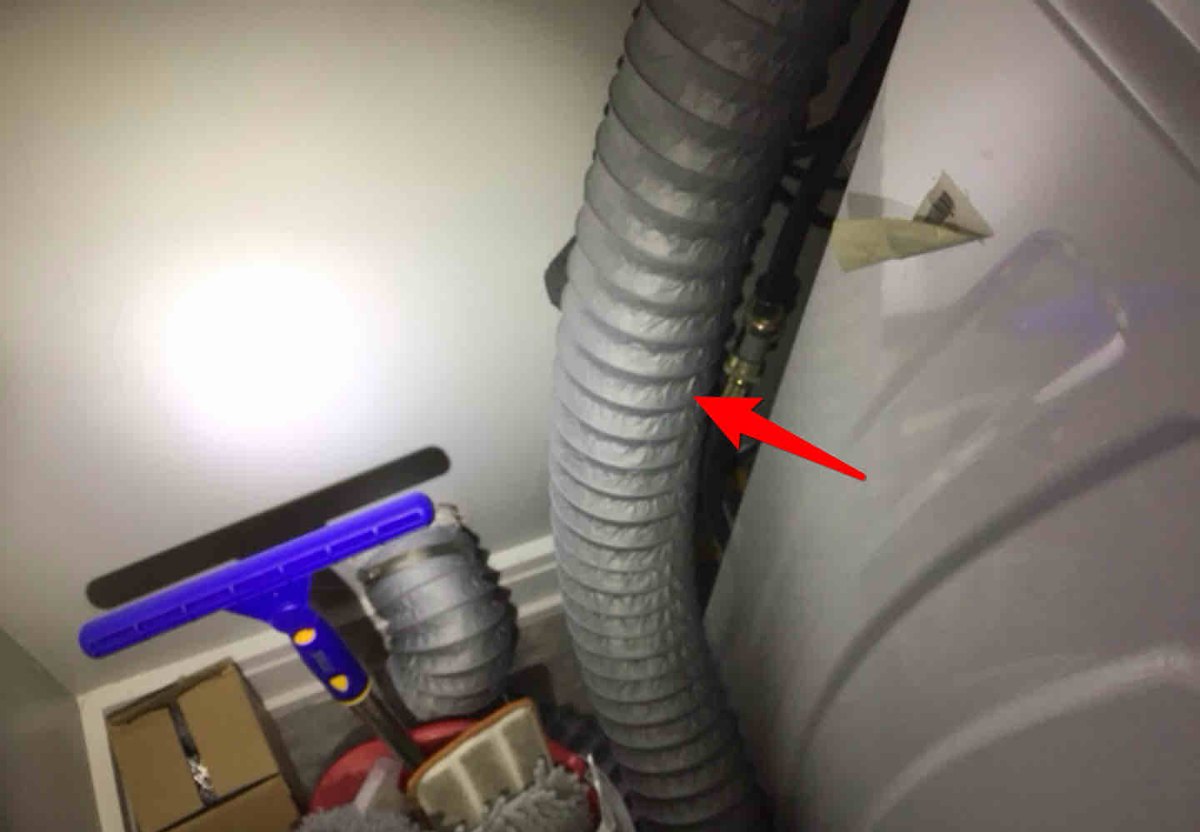
Plastic dryer duct (fire risk)
The dryer was vented using an improper vinyl duct which is a potential fire hazard (duct is not rated for this use). Recommend replacing the vinyl duct with a properly installed, UL-approved, metal dryer duct sealed with proper listed foil tape via qualified contractor for safety. It is also advised to clean the dryer duct at regular intervals to limit lint build-up as normal maintenance for fire safety.
RepairBasement Insulation
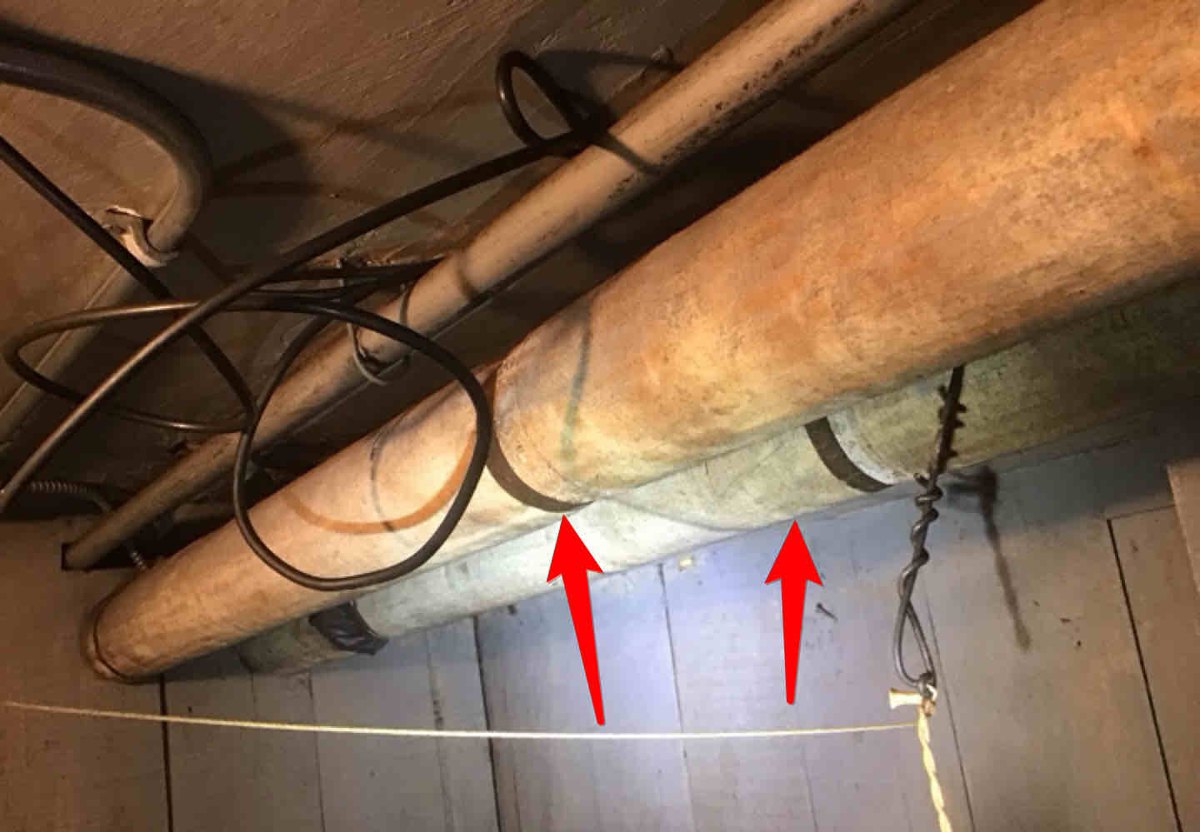
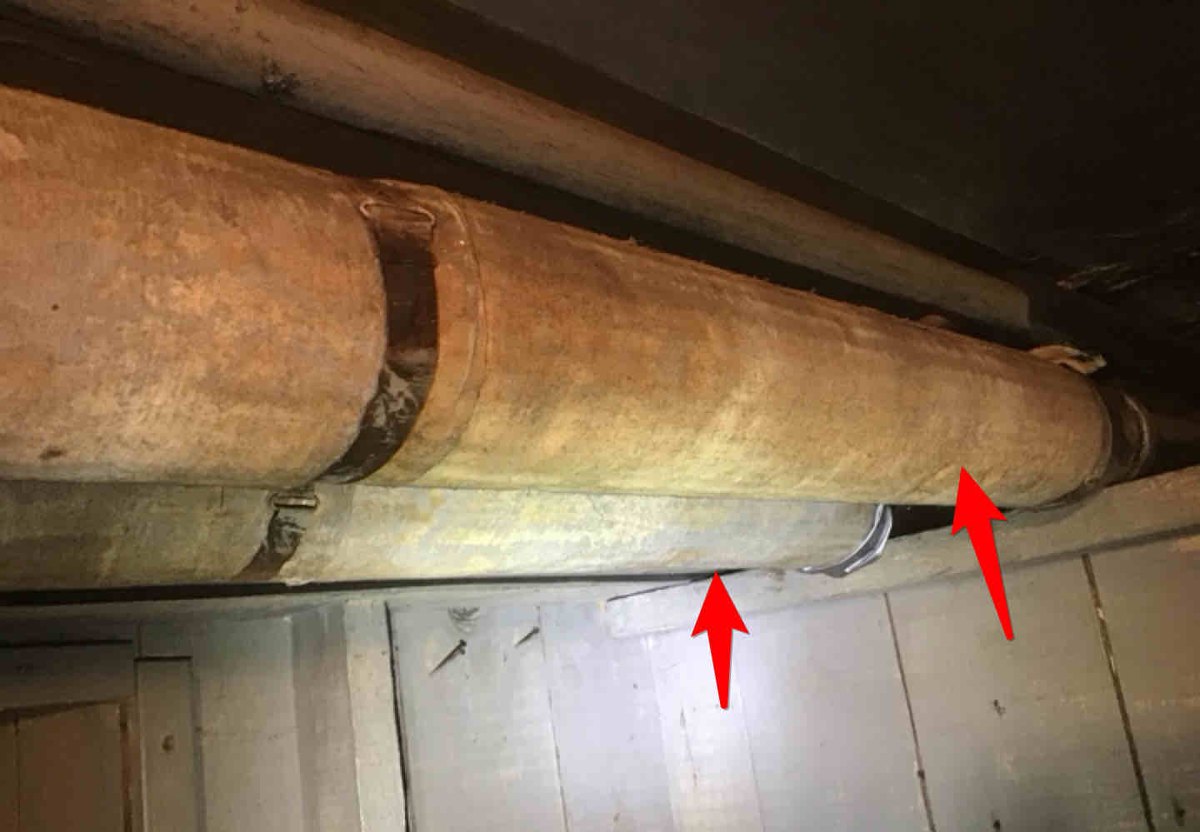
Possible asbestos pipe wrap
There was possible asbestos insulation wrap on some plumbing lines in the basement (asbestos testing was NOT performed). Recommend further evaluation/testing via qualified asbestos remediation contractor to determine if remediation/encapsulation is needed for safety. If it contains asbestos, then it is important not to disturb the insulation to prevent asbestos fibers from releasing into the air.