A sampling of windows & interior doors, plus every exterior door
Exhaust & ventilation
Washer & dryer
What gets flagged
From real laundry reports
Comments pulled straight from my reports, with addresses removed. Repairs are flagged in red, just like in the report. Written for a buyer, not a lawyer.
RepairDryer Venting
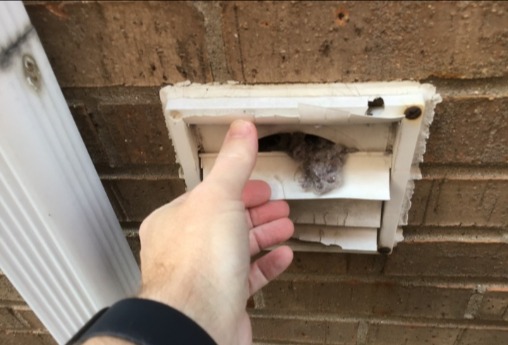
Broken, lint-clogged dryer vent (fire risk)
The exterior dryer vent on the north side was damaged (flaps cracked), also it was clogged with lint (potential fire hazard). Recommend replacement of the cover and cleaning of the dryer duct via qualified contractor for safety.
RepairWashing Machine
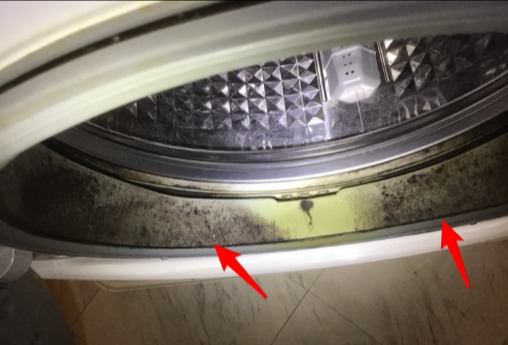
Mold and odor in the washer gasket
There was visible microbial growth and odor in the washing machine (specifically inside the rubber gasket) which may shorten the expected serviceable life of the unit. Recommend further evaluation via qualified appliance contractor for repair/cleaning or replacement options as needed. Note most front loading washing machines will retain water after each use, thus it is advised to leave the washing machine door and soap tray open after each use to allow the unit to air dry to limit potential microbial growth and odor inside the washing machine. It is also advised to use detergent specifically designed for high-efficiency washing machines and to avoid liquid fabric softeners (refer to the manufacturer’s user manual for more details and recommendations).
RepairDryer Venting
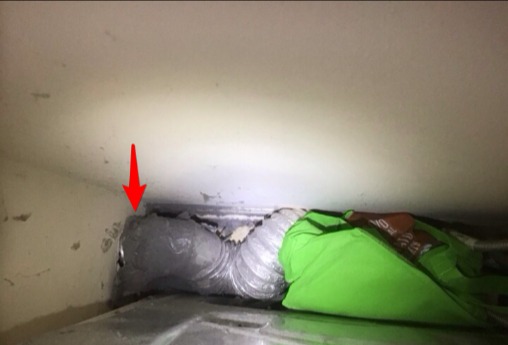
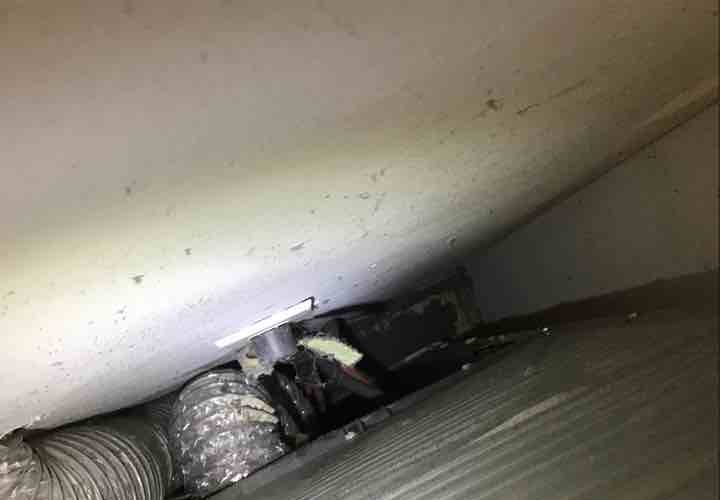
Dryer duct separated behind the dryer
The flexible foil dryer vent duct behind the dryer was damaged (was separated, potential safety hazard). Recommend repair via qualified contractor for safety (a proper UL-approved, smooth metal dryer duct sealed with proper listed foil tape should be used for added safety). It is also advised to clean the dryer duct at regular intervals to limit lint build-up as normal maintenance for fire safety.
RepairElectrical Outlets
Laundry outlet without GFCI protection
The electrical outlet in the laundry closet did not have Ground Fault Circuit Interrupter (GFCI) protection. Current generally accepted safe building standards are for laundry outlets to be GFCI protected (was not required when the property was built). Recommend repair via qualified electrical contractor for added safety.
RepairWasher & Dryer General Condition
Washer screeching on the spin cycle
The washing machine was making an improper noise while running the spin cycle (a screeching sound, likely an issue with the drum). Recommend further evaluation via qualified appliance contractor to determine repairs needed.
RepairDryer Gas Shut-off
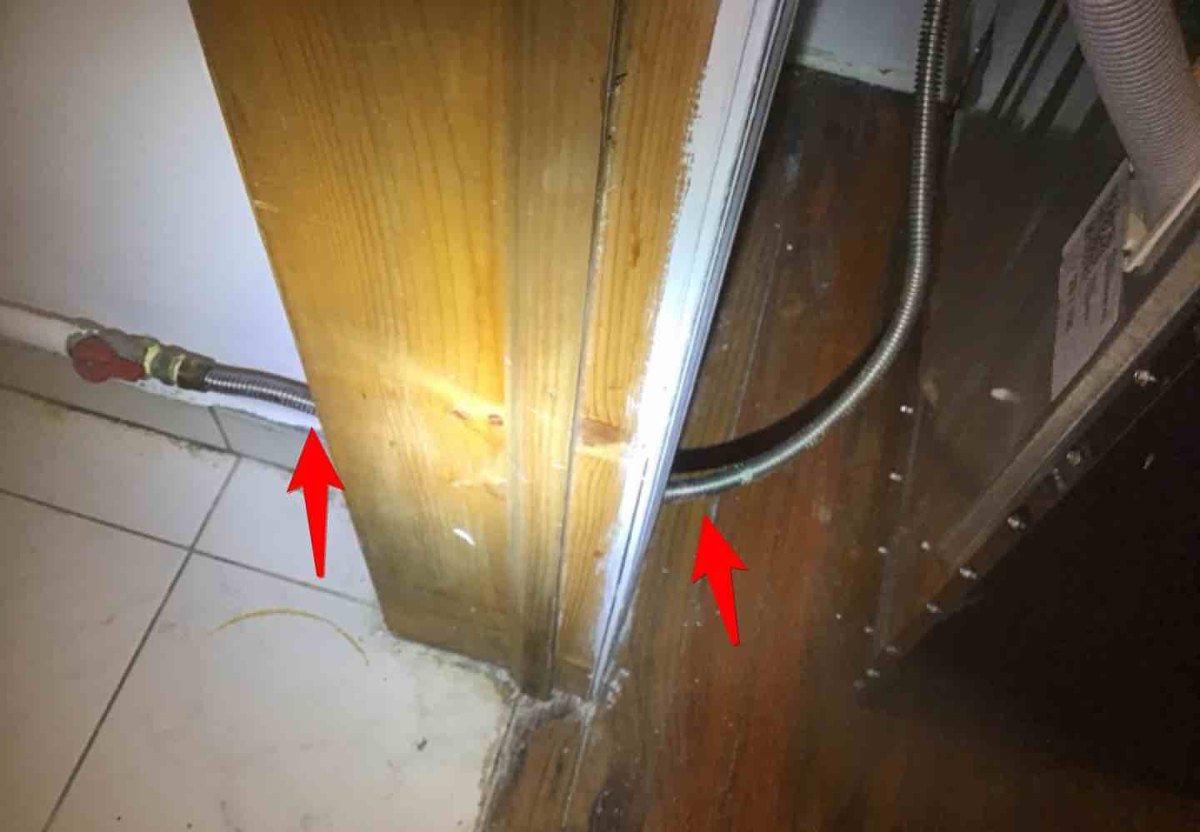
Flexible gas line run through a wall
The flexible gas supply line for the dryer was going through a wall, but current generally accepted safe building standards do not allow flexible lines to go through walls/floors. Recommend repair via qualified plumbing contractor for safety (should be black iron piping).
RepairElectrical Outlets
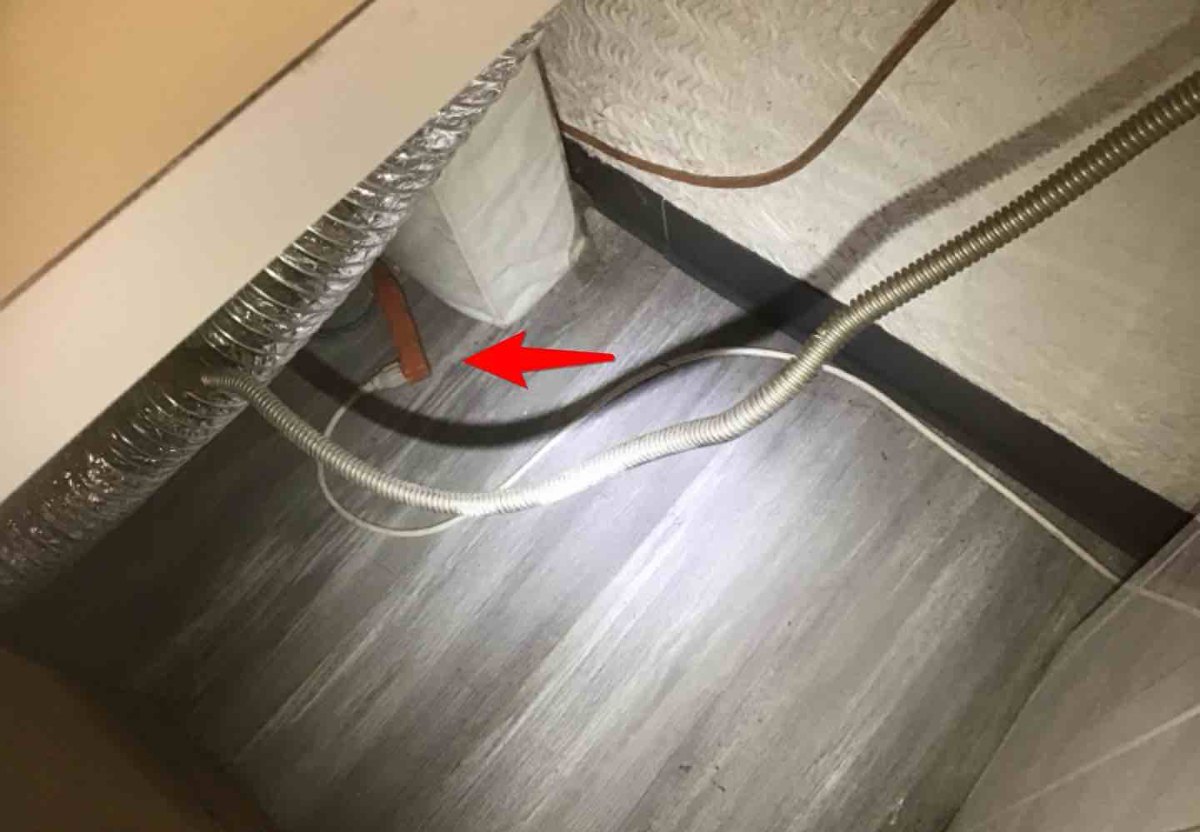
Washer running on an extension cord
The washing machine was using an extension cord (potential fire hazard). Recommend repair via qualified electrical contractor for safety (may need to install a new outlet next to the washer).
RepairWasher & Dryer General Condition
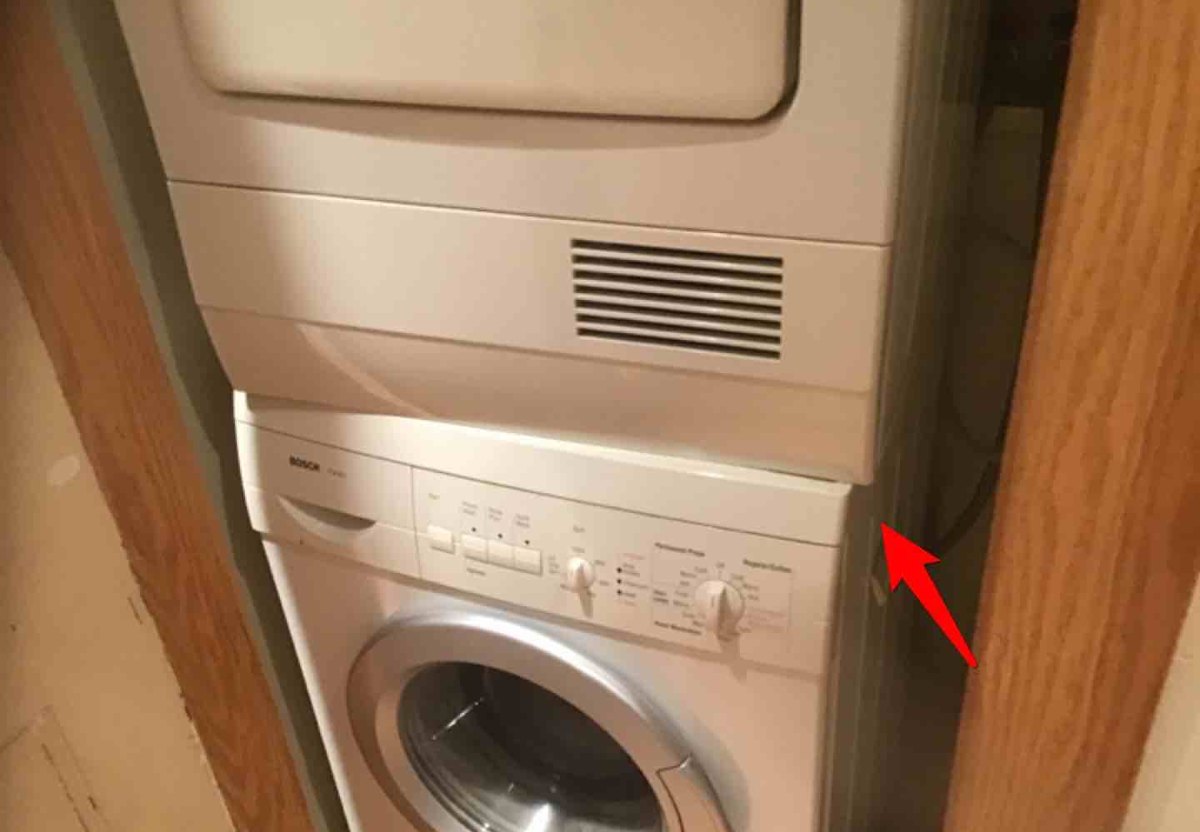
Stacked washer and dryer not fastened together
The stacked washer & dryer were not properly secured together (potential safety hazard, dryer can tip over). Recommend repair via qualified appliance contractor for safety.
RepairSink
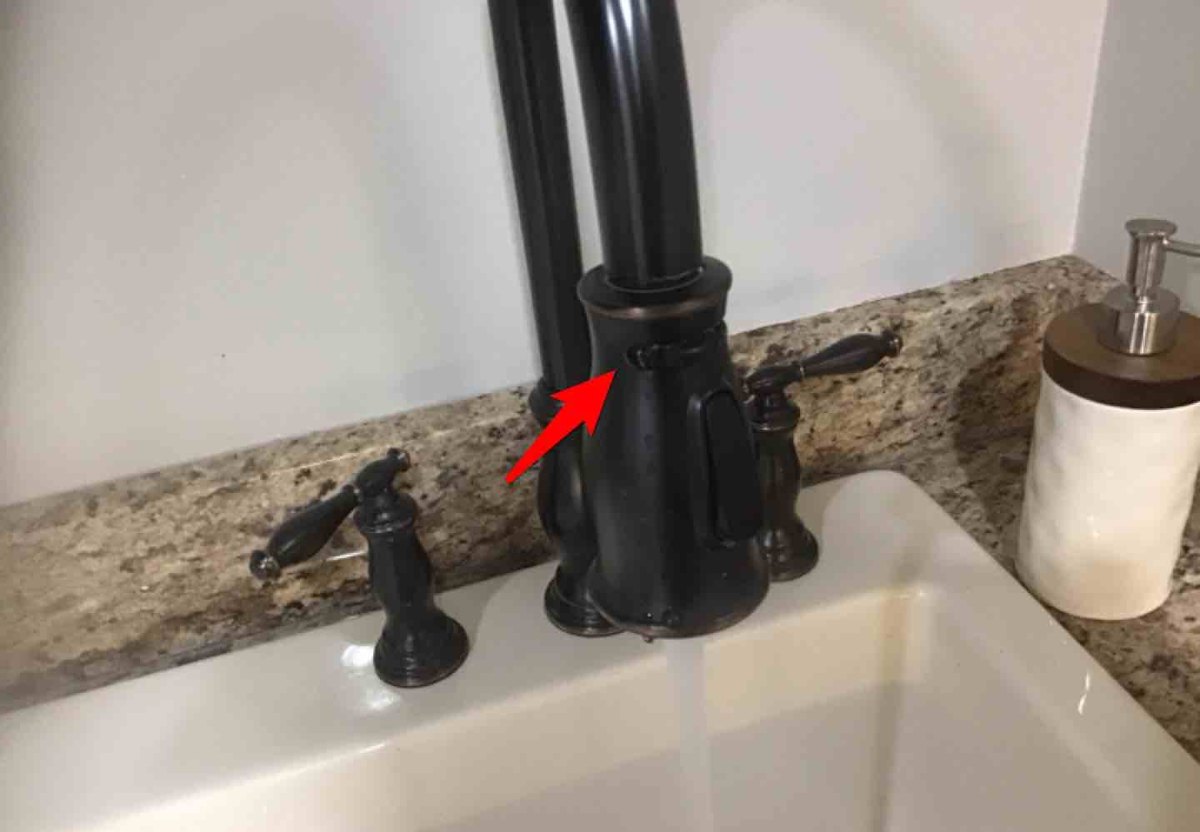
Leaking laundry sink faucet
The laundry room sink faucet handle had a leak. Recommend replacement via qualified plumbing contractor.
RepairInterior Doors
Squeaky closet door hinges
The laundry closet door hinges squeak when opening/closing. Recommend lubrication be added to the hinges.
RepairWasher Water Supply
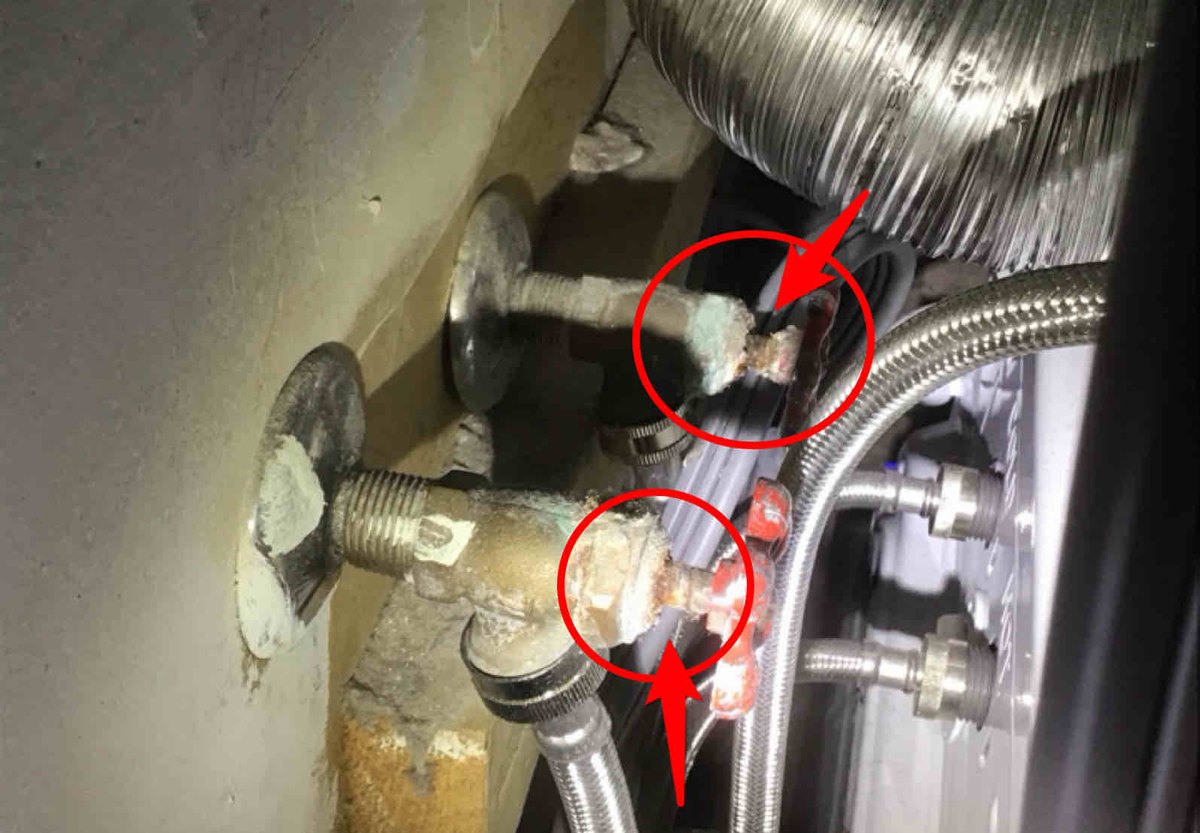
Corroded washer shut-off valves
The water supply line shut-offs connections had corrosion. Recommend repairs via qualified plumbing contractor to limit potential future leaks and damages.
RepairWasher Water Supply
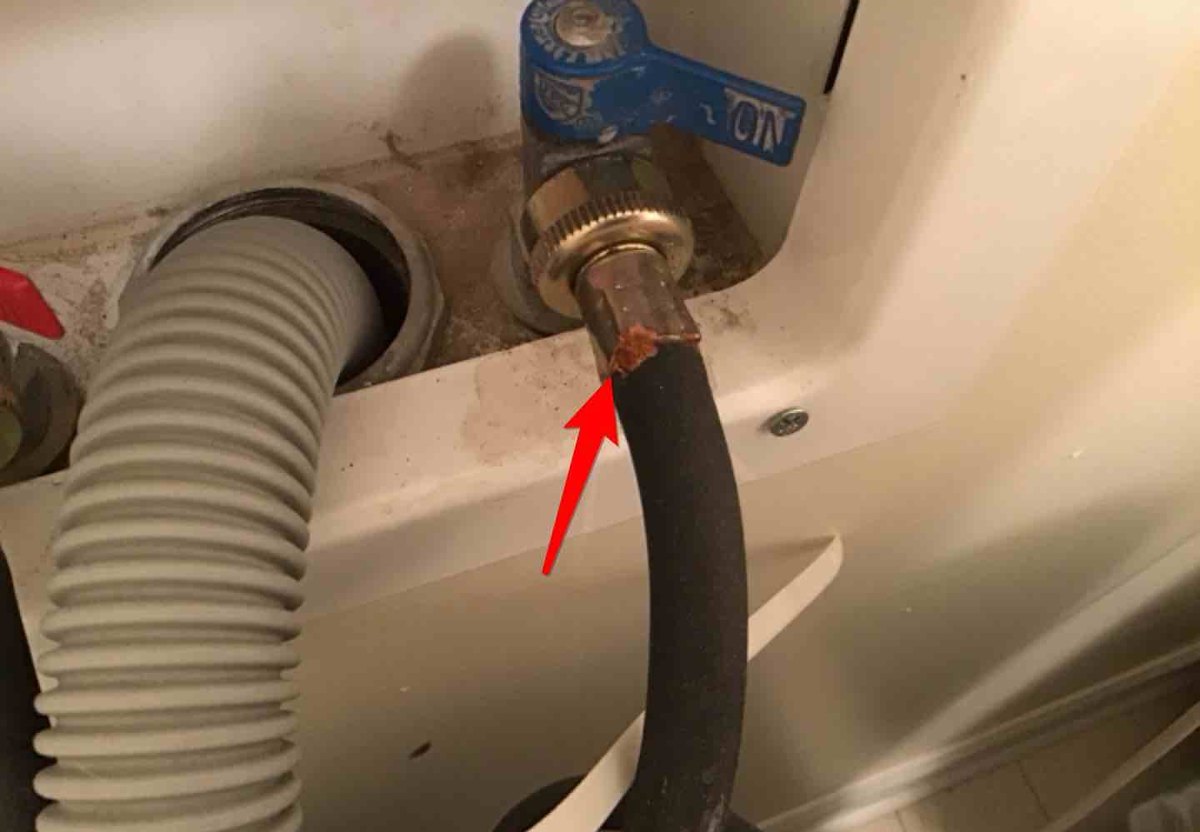
Corroded washer supply hose
The cold water supply line to the washing machine was corroded. Recommend replacement via qualified contractor to limit potential bursting. It is advised to install steel braided water supply hoses to provide greater protection from potential risk of rupture.
RepairSink
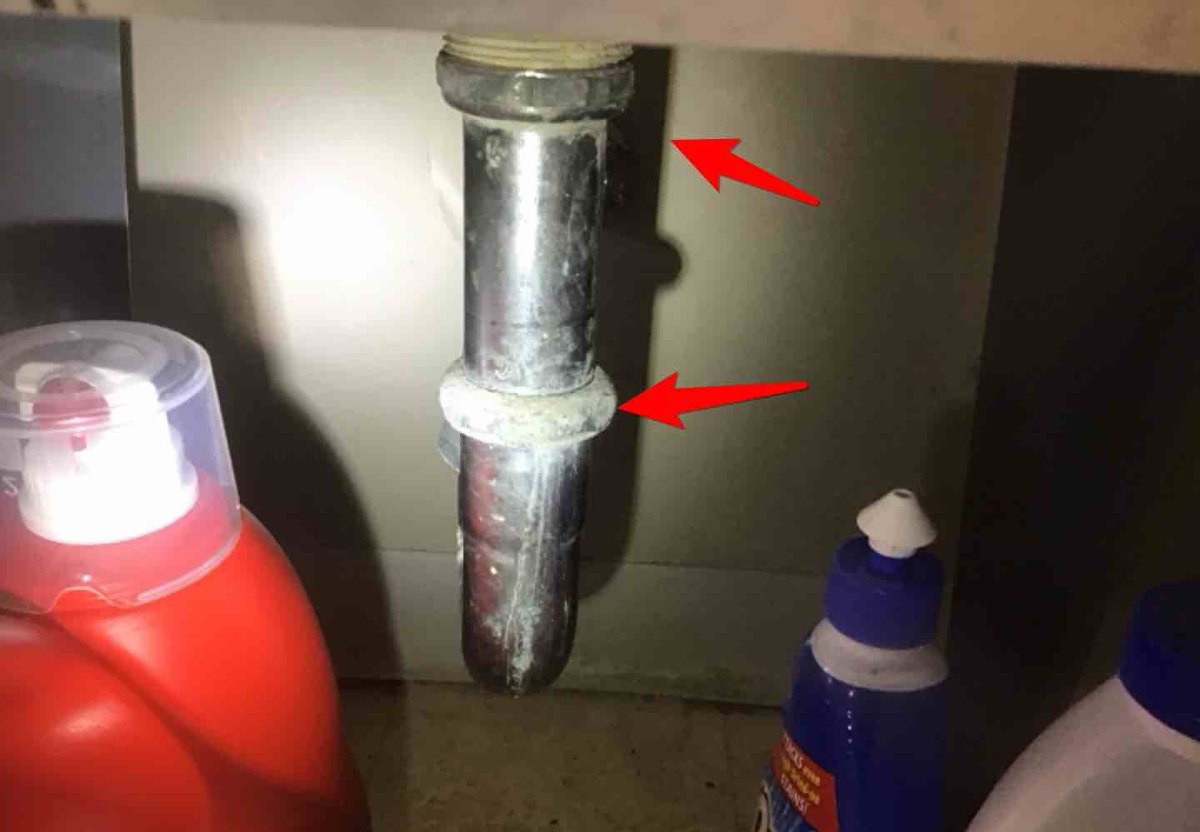
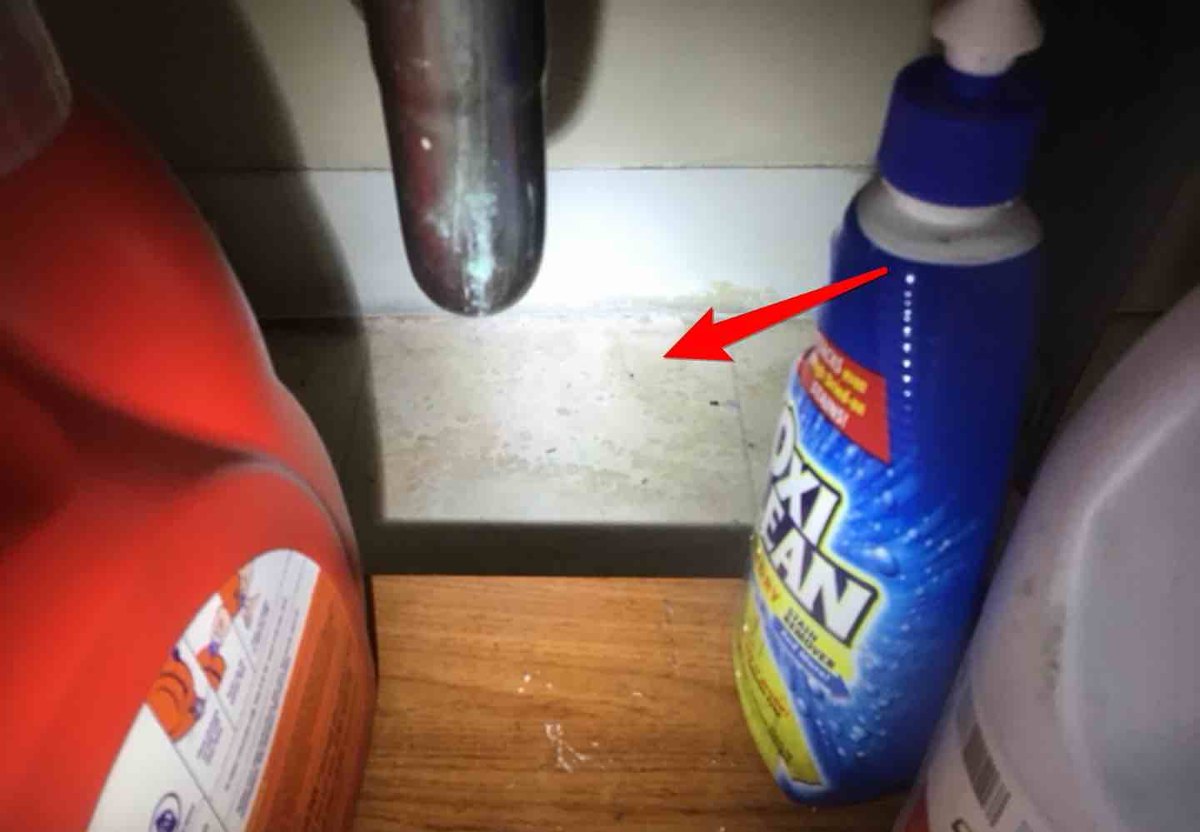
Corroded, previously leaking sink drain
The P-trap drain line under the laundry room sink had some general corrosion with signs of previous leaks. Recommend replacement via qualified plumbing contractor to prevent potential future leaks and damages.